
Dental Implant Process: Step-by-Step Guide

If you’re considering a dental implant to replace a missing tooth, understanding the process can help you feel confident about your treatment. At Bergen Oral & Maxillofacial Surgery, our experienced surgeons guide patients through every step to restore function, comfort, and a natural-looking smile.
Key Takeaways:
- Dental implants are a safe, effective solution for replacing missing teeth.
- The process involves consultation, implant placement, healing, abutment attachment, and final restoration.
- Healing and bone fusion are crucial for long-term success.
- Collaboration between surgeon, dentist, and lab ensures a natural, functional result.
Initial Consultation and Examination
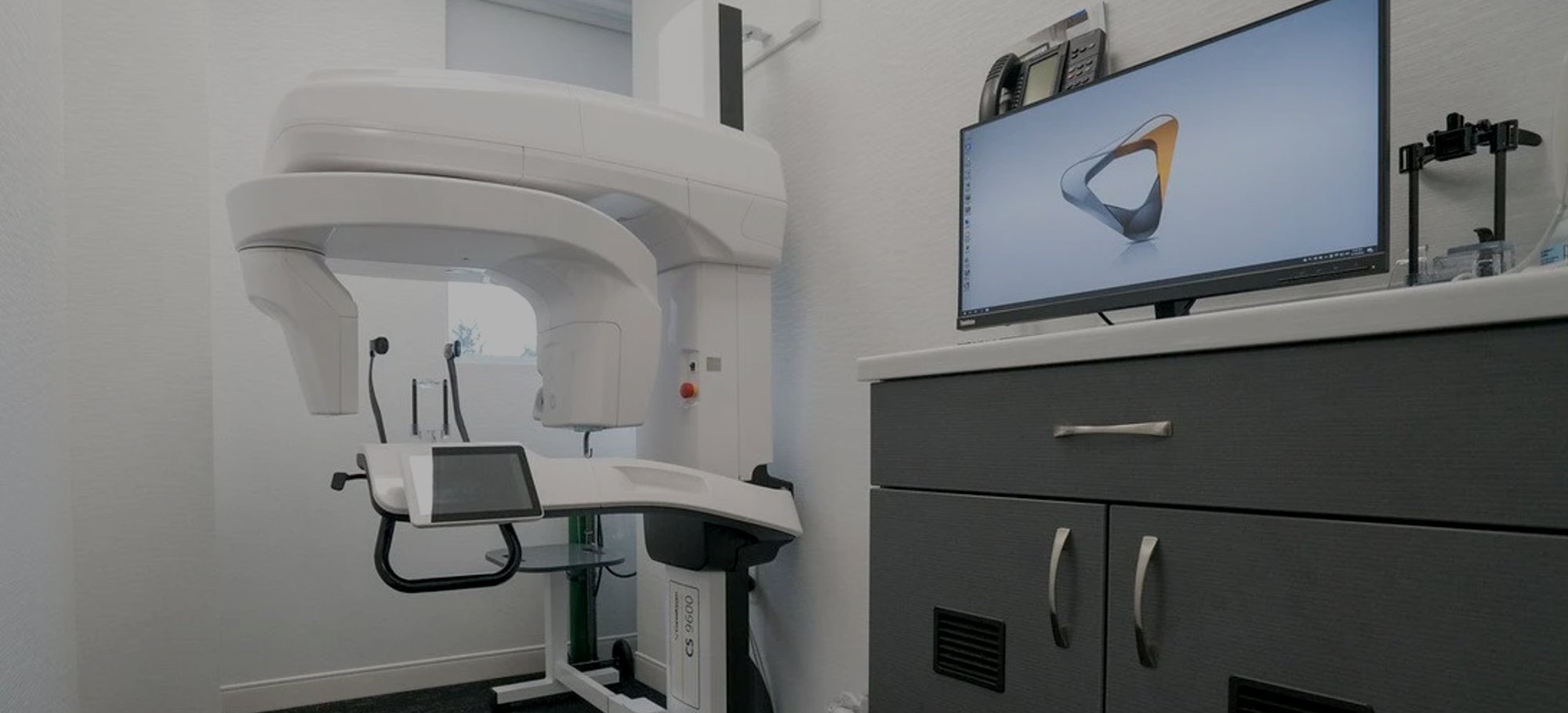
The first step is a comprehensive consultation to determine if you are a good candidate. During your visit, the surgeon examines your mouth and takes x-rays to evaluate jawbone density and overall oral health.
If you are eligible, your surgeon will discuss treatment options, explain the timeline, and answer all questions. If you require preparatory procedures such as bone grafting, the team will outline a plan to make you ready for implants in the future.
Learn more about Who are Good Candidates for Dental Implants?
Implant Placement
Dental implant surgery is typically performed under local anesthesia. The surgeon exposes the bone, drills a small hole, and places the metal implant post into the jaw. A temporary tooth may be provided while your jaw heals.
Healing and Bone Fusion
Healing takes approximately three to nine months. During this period, the implant fuses with the jawbone in a process called osseointegration. This fusion is essential to create a stable foundation for the new tooth.
Attaching the Abutment
Once the implant is secure, a small connector called an abutment is attached to the post. The abutment serves as the base for the final crown, ensuring proper alignment and function.
Tooth Fabrication and Final Installation
Impressions are taken of your teeth and abutment to create a custom crown in the dental lab. When ready, the permanent tooth is attached to the abutment, completing your restoration. You can then eat, chew, and maintain your crown just like a natural tooth.
Read more about Post Op Dental Implant Instructions.
Restore Your Smile with Bergen Oral & Maxillofacial Surgery
Dental implants are a predictable, long-lasting solution for missing teeth. At Bergen Oral & Maxillofacial Surgery, our team ensures every step—from consultation to final restoration—is tailored to your needs for a comfortable and successful outcome. Schedule a consultation today to explore your options.
For more than 70 years, our practice has been serving Bergen County with patient-centered expert oral care. Our four convenient locations in Franklin Lakes, Hackensack, Ridgewood, and Westwood have received a combined 2,000+ Google reviews—and an average rating of 4.9 stars.
Personalized, gentle, comprehensive patient care is our number one priority.
Dental Implant Process (FAQ)
How long does the entire implant process take?
Typically 3–9 months, depending on healing time and whether preparatory procedures are needed.
Is implant surgery painful?
The procedure is performed under anesthesia, and most patients experience minimal discomfort afterward.
Do I need a temporary tooth during healing?
Yes, a temporary tooth is often provided for aesthetics while the implant fuses with the jawbone.
What is an abutment?
An abutment is a small connector attached to the implant post that holds the permanent crown in place.