Facial Bone Recontouring: What You Need to Know
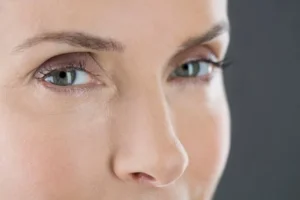
Whether you want to achieve facial balance, highlight a positive feature, or downplay one, facial contouring offers subtle alterations that can create dramatic results.
At Bergen Oral & Maxillofacial Surgery, our experienced team specializes in personalized facial contouring procedures designed to enhance your natural features while maintaining harmony and proportion. By combining advanced surgical techniques with careful planning, we help patients achieve results that not only improve aesthetics but also boost confidence and overall facial symmetry. Understanding how these procedures work and what options are available is the first step toward a transformation tailored specifically to you.
Key Takeaways:
- Facial contouring can improve harmony with small, precise changes.
- Understanding your facial structure is essential before surgery.
- Surgical planning involves CT imaging and personalized recommendations.
- Multiple techniques (bone, fat, cartilage, or implants) may be combined for natural results.
What is Facial Bone Recontouring and How Does It Work?
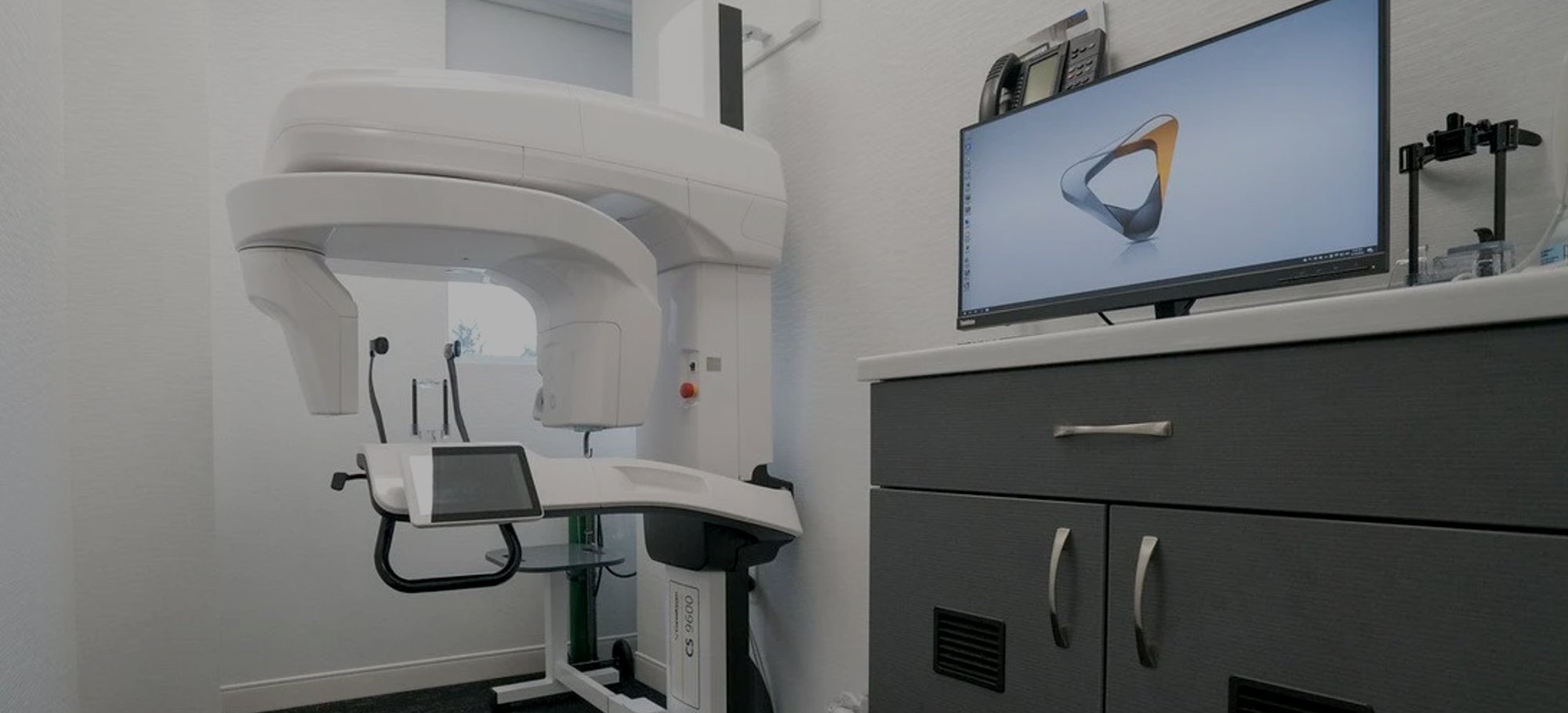
Facial bone contouring reshapes your facial structure to enhance balance and aesthetics. Small modifications to bone, fat, or soft tissue can produce noticeable improvements. Using CT scans, your surgeon evaluates your facial bones and soft tissues to identify areas to modify and create realistic surgical plans.
How Do I Get Started with Facial Recontouring?
The first step is an initial consultation with a maxillofacial surgeon. With your imaging in hand, your surgeon can discuss what changes are feasible, recommend enhancements, and explain potential risks.
At Bergen Oral & Maxillofacial surgery, our dual-degree surgeons examine the face as a whole to achieve more natural-looking results.
How Should I Prepare for Surgery?
Cosmetic facial contouring is a significant procedure. Modern techniques are very safe, but your surgeon will review potential risks, including those specific to facial surgery. Following preoperative instructions is essential to ensure optimal recovery and outcomes.
What Techniques Are Used in Facial Recontouring?
Facial contouring can involve:
- Bone Reshaping: Grinding or modifying bone tissue
- Fat or Cartilage Transfer: Using your own tissues for natural augmentation
- Implants: Silicone or other materials for added structure
Most patients achieve balanced results through a combination of these techniques. If you prefer to avoid artificial implants, discuss options using your own tissues.
Ready to Enhance Your Facial Harmony with Bergen Oral & Maxillofacial Surgery?
Facial contouring offers a powerful way to enhance balance, harmony, and confidence in your appearance. By understanding the techniques available, whether reshaping bone, transferring fat or cartilage, or using implants, you can make informed decisions about which approach is right for you. Early consultation with Bergen Oral & Maxillofacial Surgery ensures realistic expectations, safe planning, and results that complement your natural features.
For more than 70 years, our practice has been serving Bergen County with patient-centered expert oral care. Our four convenient locations in Franklin Lakes, Hackensack, Paramus, and Westwood have received a combined 2,000+ Google reviews—and an average rating of 4.9 stars.
Personalized, gentle, comprehensive patient care is our number one priority.
Facial Recontouring (FAQ)
Is Facial Recontouring Painful?
Modern anesthesia and pain management make the procedure comfortable, with post-op soreness typically managed with medication.
Can I Combine Facial Recontouring with Other Procedures?
Yes, many patients combine procedures for a more harmonious overall result, but your surgeon will ensure safety and proper planning.
How Long is Recovery?
Recovery varies by procedure and patient, but most patients resume normal activities within 2-3 weeks, with swelling and bruising gradually improving over months.
Are There Non-Surgical Alternatives?
For minor enhancements, fillers or fat grafting may be options, but surgical contouring provides more dramatic and lasting changes.