Are You a Candidate for Orthognathic (Jaw) Surgery? What to Know Before You Decide

Misaligned jaws and misaligned teeth can cause far more than cosmetic concerns. Along with feeling self-conscious about your facial profile or smile, jaw misalignment can lead to functional problems with chewing, speaking, breathing, and chronic TMJ discomfort. Orthognathic (jaw) surgery can correct these issues—but determining candidacy requires a thorough evaluation by an experienced oral and maxillofacial surgeon.
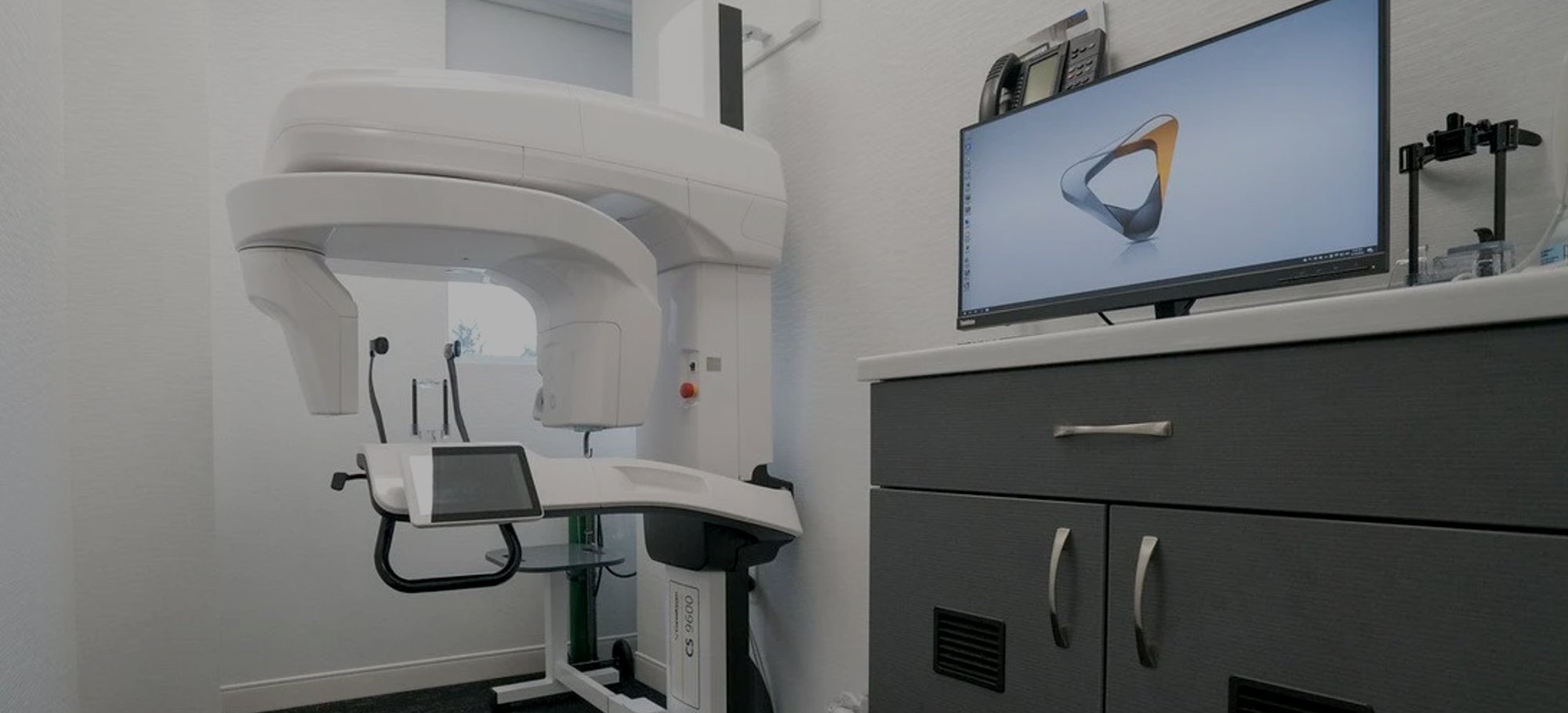
At Bergen Oral & Maxillofacial Surgery, our dual-degree MD/DDS surgeons use advanced imaging, technology, and collaborative orthodontic planning to ensure each patient receives an accurate assessment and individualized treatment plan.
Key Takeaways:
- Jaw (orthognathic) surgery may be recommended for functional, medical, or cosmetic reasons.
- Candidacy depends on overall health, orthodontic preparation, jaw alignment, and readiness for recovery.
- A patient must be medically fit for general anesthesia and aware of surgical risks.
- Orthognathic surgery is typically performed after orthodontic treatment is completed.
- Only an oral and maxillofacial surgeon can confirm whether surgery is appropriate.
Are You Healthy Enough for Jaw Surgery?
Candidates must be medically fit for surgery and general anesthesia. A detailed health history and physical exam help identify any conditions—such as uncontrolled diabetes or cardiovascular concerns—that could affect safety. Good overall health supports a smoother procedure and a faster recovery.
Patients with manageable chronic conditions can often undergo surgery safely with proper monitoring, making this step critical in determining candidacy.
Learn more about if your are a Candidate for Jaw Surgery.
Are You Prepared for the Recovery Process?
Orthognathic surgery requires a significant healing period. Swelling, dietary restrictions, and temporary changes in energy or mood are common, and some patients experience mild postoperative emotional fluctuations. Strong candidates understand this process, have realistic expectations, and can stay positive throughout recovery.
Being mentally prepared also helps patients follow post-op instructions closely, which is key for optimal healing and long-term results.
Learn more about Postop Following Corrective Jaw Surgery.
Are You Comfortable with the Risks?
Like any major surgery, jaw surgery carries potential risks such as bleeding, infection, or temporary numbness in the lips, cheeks, or teeth. There is also a small chance of minor jaw movement during healing.
Candidates should be informed and confident in the risk-benefit balance. Understanding potential complications and the steps surgeons take to minimize them is part of being a strong candidate.
Have You Completed the Necessary Orthodontic Treatment?
Jaw surgery typically comes after orthodontic alignment. Braces or other orthodontic work position the teeth correctly so the surgeon can reposition the jaw for a stable, functional bite. Patients who are early in treatment may require several months—or even years—before surgery is appropriate.
Proper orthodontic preparation also ensures that the functional and aesthetic results of surgery are long-lasting and predictable.
Take the Next Step with Bergen Oral & Maxillofacial Surgery
If you experience jaw pain, bite issues, facial imbalance, or functional limitations—and your orthodontist suggests that braces alone may not solve the problem—jaw surgery may be worth exploring. A consultation with an experienced oral surgeon is the only way to determine whether orthognathic surgery can help you achieve better function, comfort, and facial harmony.
For more than 70 years, our practice has been serving Bergen County with patient-centered expert oral care. Our four convenient locations in Franklin Lakes, Hackensack, Ridgewood, and Westwood have received a combined 2,000+ Google reviews—and an average rating of 4.9 stars.
Let us help you achieve a confident, functional smile that lasts.
Personalized, gentle, comprehensive patient care is our number one priority.
Orthognathic (Jaw) Surgery (FAQ)
How do I know if I actually need jaw surgery?
You may be a candidate if you have persistent bite problems, difficulty chewing, chronic jaw discomfort, or misalignment that cannot be corrected with braces.
Is jaw surgery painful?
You’ll be under general anesthesia during the procedure. Afterward, soreness is normal but manageable with prescribed medication.
How long is the recovery?
Initial healing lasts 2–3 weeks, with full recovery typically taking 8–12 weeks. Orthodontic treatment usually continues during this time.
Will jaw surgery change my appearance?
Yes. Many patients see improved facial symmetry, jawline definition, and overall balance. However, the primary goal is functional improvement.
Do I need braces before and after surgery?
Most patients do. Orthodontic care ensures the teeth align properly so the jaw can be repositioned safely and effectively.