What You Should Know About Wisdom Teeth Removal
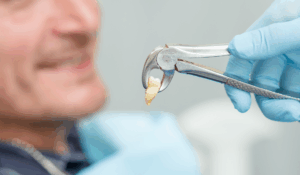
Wisdom teeth removal is one of the most common oral surgery procedures, yet many patients are unfamiliar with the risks, symptoms, and timing considerations involved. Understanding the basics can help you make informed decisions before complications arise.
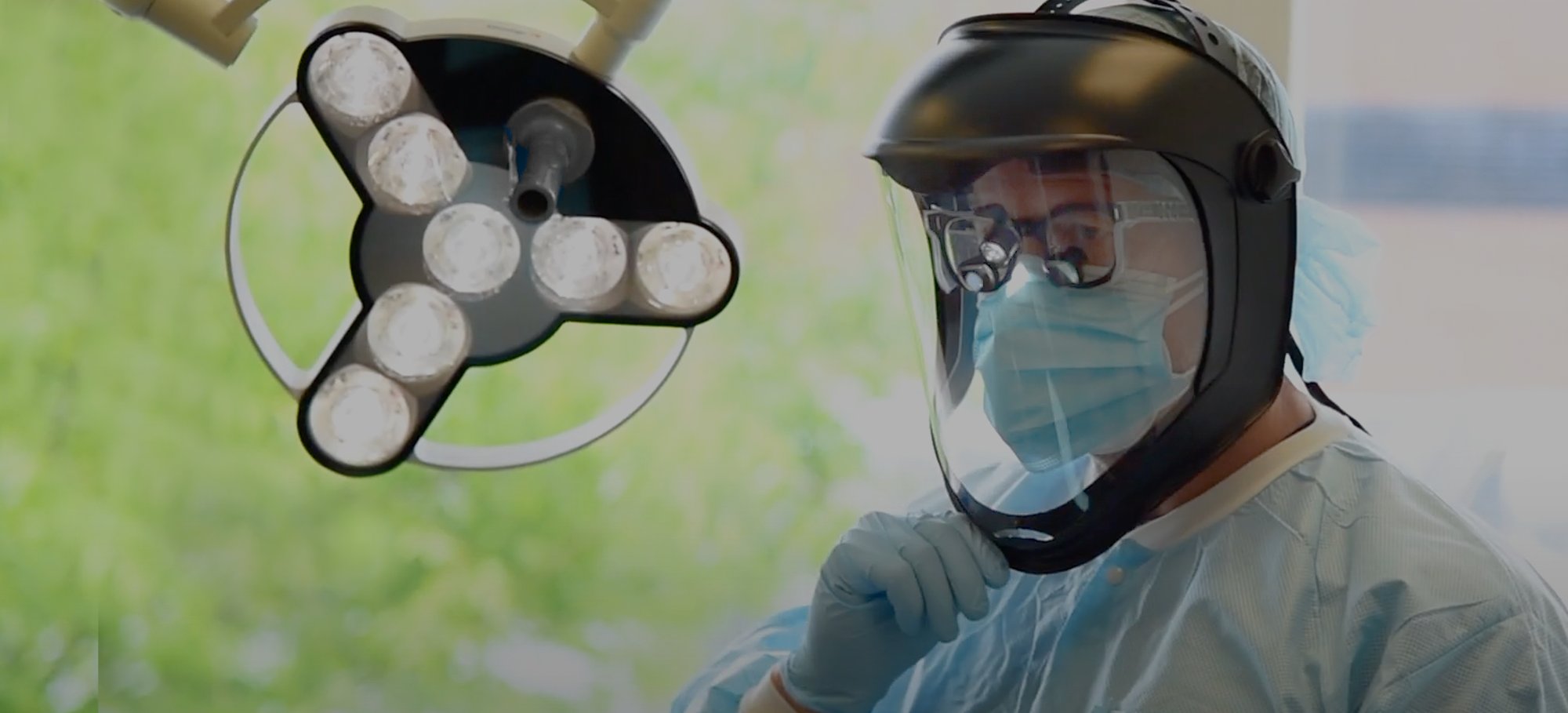
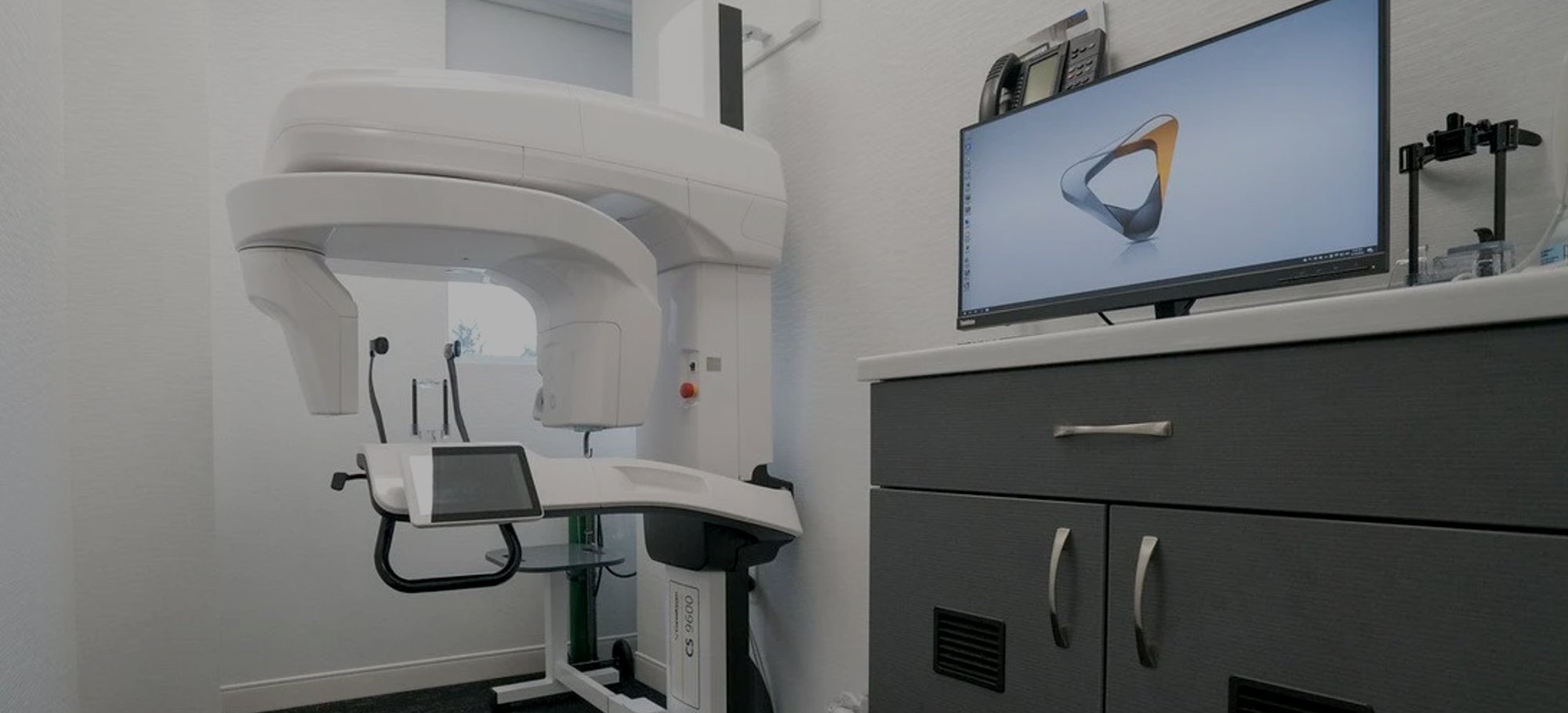
At Bergen Oral & Maxillofacial Surgery, our surgeons use advanced imaging and modern techniques to evaluate and remove wisdom teeth safely and comfortably. Whether you’re exploring preventative extraction or addressing existing symptoms, our team can provide guidance tailored to your needs.
Key Takeaways:
- Wisdom teeth can cause hidden damage even without symptoms.
- Early evaluation helps prevent complications and simplifies surgery.
- Cleaning wisdom teeth is difficult, increasing cavity and infection risk.
- Removal is usually easier and recovery faster at a younger age.
- Bergen Oral & Maxillofacial Surgery provides safe, advanced wisdom teeth care.
Can Untreated Wisdom Teeth Cause Problems?
Even when wisdom teeth aren’t causing pain, they can still create significant oral health issues. Impacted or poorly positioned teeth may press against neighboring molars, damage soft tissue, or trap bacteria beneath the gums. Over time, this can lead to discomfort, gum inflammation, and costly dental complications.
For many patients, the lack of early symptoms makes these risks harder to detect—reinforcing the importance of regular dental evaluations and imaging.
Why Are Wisdom Teeth Often Asymptomatic?
Many wisdom teeth remain completely or partially impacted below the gumline. Because they sit deep within the jaw, they may not produce noticeable pain, yet they may still be shifting or crowding existing teeth.
This is why dentists typically order panoramic X-rays during the teenage years. These images help determine whether there’s enough space in the jaw or if future impaction is likely.
Learn more about the Types of Impacted Wisdom Teeth.
Why Are Wisdom Teeth So Hard to Clean?
Even when wisdom teeth fully erupt, their location makes them challenging to maintain. Positioned at the very back of the mouth, they are prone to plaque buildup, tartar accumulation, and food trap issues.
These factors increase the risk of cavities and gum infections—especially for patients with limited access due to anatomy or crowding.
How Manageable Is Wisdom Teeth Surgery Today?
Modern anesthesia, surgical tools, and imaging have significantly improved both the procedure and the recovery process. Most patients only need a few days of rest, over-the-counter medication, and proper home care to feel comfortable again.
Your oral surgeon will provide personalized instructions to support a smooth healing process and minimize postoperative discomfort.
Learn more about Wisdom Tooth Sedations.
Trust Bergen Oral & Maxillofacial Surgery for Wisdom Teeth Care
Whether you need an evaluation, a second opinion, or are ready for extraction, Bergen Oral & Maxillofacial Surgery offers expert, compassionate care backed by modern technology and extensive surgical experience.
For more than 70 years, our practice has been serving Bergen County with patient-centered expert oral care. Our four convenient locations in Franklin Lakes, Hackensack, Ridgewood, and Westwood have received a combined 2,000+ Google reviews—and an average rating of 4.9 stars.
Personalized, gentle, comprehensive patient care is our number one priority.
Wisdom Teeth Removal (FAQ)
Do all wisdom teeth need to be removed?
No. Some erupt normally and pose no risk, but many do not have enough space to grow properly or become difficult to clean.
What age is best for wisdom teeth removal?
Most patients benefit from extraction between ages 15–25, when roots are less developed and recovery is fastest.
Will I be in pain after surgery?
Mild discomfort and swelling are common for a few days, but medication and proper care make recovery manageable.
Can wisdom teeth damage other teeth?
Yes. Impacted wisdom teeth may push against nearby molars, causing alignment issues or structural damage.
How long is the recovery period?
Most patients feel noticeably better within 3–5 days and fully healed in a few weeks.