How Long Does Wisdom Teeth Removal Take?

For most patients, wisdom tooth extraction surgery takes less than one hour. For complex cases, the procedure can take up to 90 minutes.
Several factors affect the total time required for your wisdom teeth removal and completion of your appointment, including:
Number of teeth being removed: extracting all four will naturally take longer than removing one or two.
- Complexity of the impaction: deep or angled teeth usually require more time.
- Type of anesthesia or sedation used: deeper sedation typically requires longer recovery time.
- Patient health and oral anatomy: jaw shape, bone density, and the health of the teeth can all influence the timing of the surgery.
At Bergen Oral & Maxillofacial Surgery in NJ, we work to make the process as efficient and comfortable as possible so that our patients are home and on their way to recovery as quickly as possible.
What Are Signs Your Wisdom Teeth Should Be Removed?
Five common signs you may need your wisdom teeth extracted include:
- Persistent Jaw Pain: often caused by impacted wisdom teeth pressing against the jawbone or nerves
- Oral Infections: redness, swelling or recurring gum infections near the back of the mouth
- Shifting or Crooked Teeth: pressure from impacted teeth can cause crowding or misalignment
- Bleeding Gums: soreness and bleeding, especially at the back of the mouth where the wisdom teeth are located
- Pain: ongoing tenderness or pain when chewing or opening your mouth
Learn more details about the signs your wisdom teeth may need to be removed.
What Are the Different Types of Impacted Wisdom Teeth?
The different types of impacted wisdom teeth include mesial, distal, horizontal, vertical, soft tissue and bony impaction.
Here is more information about each:
- Mesial, Distal, or Horizontal Impaction: the tooth is growing at an improper angle. These teeth are often partially erupted through the gums.
- Vertical Impaction: the tooth is in the correct growing position, but does not erupt through the gums, often due to lack of space.
- Soft Tissue Impaction: the tooth has erupted from the jaw bone, but not completely through the gums.
- Bony Impaction: the tooth is still partially or completely enveloped in the jawbone.
Severely impacted wisdom teeth, particularly partial or complete bone impaction, often increase the complexity and length of the removal procedure. You can learn more about impacted wisdom teeth and their related complications in this article: Types of Impacted Wisdom Teeth.
What Happens If You Don’t Remove Wisdom Teeth?
Avoiding or delaying wisdom teeth removal only leads to bigger problems including:
- Crowding and shifting teeth
- Recurring oral infections
- Cysts or damage to the jawbone
- Tooth decay in surrounding teeth
These complications can be uncomfortable, painful, and, in some cases, serious. They also increase the risk of complexity in wisdom teeth extraction surgery. Choosing to remove your wisdom teeth early can help you avoid bigger problems down the road. To learn more, read: What Happens When Wisdom Teeth Aren’t Removed.
What Sedation Is Used for Wisdom Teeth Removal?
For wisdom teeth removal, a variety of sedation methods can be used:
- Local Anesthesia: numbs only the surgical area; the patient remains awake and aware throughout the procedure.
- Nitrous Oxide (Laughing Gas): mild sedative that wears off quickly.
- Moderate to Deep IV Sedation: allows patients to fully relax in a “twilight” stage or even sleep during the procedure.
- General anesthesia: full sedation, often used for complex cases..
Deeper sedation methods require longer recovery time after the procedure. Learn more about sedation options for wisdom teeth removal and discuss your unique circumstances and concerns with your surgeon.
Safe, Comfortable Wisdom Teeth Removal in NJ
When you choose Bergen Oral & Maxillofacial Surgery in Bergen County for your wisdom teeth removal, you can expect comfort, compassionate care, and exceptional results. For more than 70 years, our board-certified surgeons—many with dual degrees in dentistry and medicine—have delivered expert care to Bergen County residents.
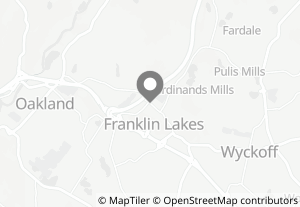
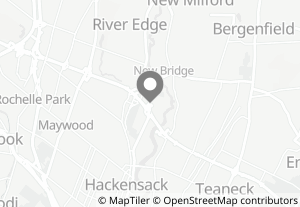
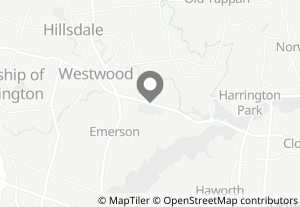
Our patients have shared over 2,000 Google reviews, earning us a near-perfect rating across all four convenient locations in Franklin Lakes, Hackensack, Paramus, and Westwood.
Personalized, gentle, comprehensive patient care is our number one priority.