How to Clean All-on-4 Dental Implants: Daily Care Guide for Long-Term Success
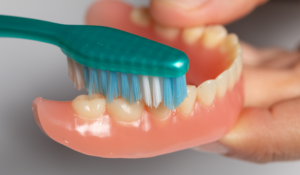
All-on-4 dental implants are a significant investment in your health, your confidence, and your quality of life. Like any investment worth protecting, they require consistent care to stay in top shape.
Unlike natural teeth, implants can’t develop cavities, but they’re not maintenance-free. Without proper daily hygiene, plaque can build up along the gumline, gum tissue can become irritated, and a condition called peri-implant disease can develop, putting the health of your implants at risk. This guide walks you through everything you need to know to keep them clean and lasting for the long term.
Key Takeaways
- All-on-4 dental implants require daily cleaning to prevent plaque buildup and gum disease
- Specialized tools like water flossers and interdental brushes make a real difference
- A consistent morning and night routine is the foundation of long-term implant health
- Regular professional cleanings help catch problems before they become serious
- Proper care protects both your oral health and your investment
What Are All-on-4 Dental Implants?
All-on-4 is a full-arch tooth replacement solution that uses just four strategically placed implants to support an entire set of teeth. Unlike traditional dentures, which rest on the gums and can shift or slip, All-on-4 implants are anchored directly into the jawbone, giving you a stable, permanent result that looks and functions like natural teeth.
The durability and stability of All-on-4 implants are two of their biggest advantages. However, those implants are only as healthy as the gum tissue and bone supporting them. Keeping that tissue clean and free of bacteria is what helps them last, and what prevents small issues from turning into bigger ones down the road.
Learn more about What Happens During All-on-4 Surgery.
Why Proper Cleaning Is Essential for All-on-4 Implants
All-on-4 implants may be artificial, but the tissue around them is very much alive. Gums, bone, and soft tissue all surround and support the implant posts, and they respond to bacteria the same way they would around natural teeth. Skip cleaning for a few days, and plaque starts to accumulate, leading to gum inflammation, persistent bad breath, and potentially something more serious.
Risks of Inadequate Cleaning
The most significant risk of poor implant hygiene is peri-implantitis, an infection of the tissue surrounding the implant that can progress to bone loss and, in serious cases, implant failure. What makes it particularly tricky is that it can develop gradually without obvious pain in the early stages. Consistent cleaning is the most straightforward way to keep it from getting a foothold.
Read more about Getting All-on-4 Dental Implants With Gum Disease.
Benefits of a Consistent Cleaning Routine
Patients who stay on top of their hygiene routine tend to see real, lasting results, which are healthier gum tissue, fresher breath, and a lower likelihood of needing corrective treatment down the road. A good daily routine also gives you a chance to notice anything that feels off before it becomes a bigger issue.
Best Tools for Cleaning All-on-4 Dental Implants
A regular toothbrush alone won’t cut it with All-on-4 implants. The prosthetic arch creates spaces underneath and along the gumline that standard brushing simply can’t reach. The right tools make those hard-to-access areas manageable and don’t have to be complicated or expensive. Here’s what you’ll want to have on hand:
Water Flosser: The pressurized stream reaches underneath the prosthetic arch and flushes out food particles and bacteria from areas where traditional floss can’t go, including around the implant posts themselves. Food can collect under All-on-4 implants, and a water flosser is your best defense against it.
Interdental Brushes: These small, narrow brushes slide between implants and along the gumline, cleaning the spaces a toothbrush misses. They come in different sizes, so your oral surgeon can help you find the right fit.
Antibacterial Mouth Rinse: Rinsing with an antibacterial mouthwash reduces bacteria that brushing and flossing alone can’t eliminate, supporting healthier gum tissue over time.
Non-Abrasive Toothpaste: Abrasive formulas, including some whitening pastes and baking soda-based options, can scratch the surface of your prosthetic over time. Look for a non-abrasive toothpaste, and ask your surgeon if you’re unsure about your current brand.
Soft-Bristle Toothbrush: Gentler on both the prosthetic material and surrounding gum tissue than a medium or hard-bristle option. Use it twice daily to clean all surfaces of the implant arch.
Daily Cleaning Routine for All-on-4 Dental Implants
Consistency is what makes the difference with All-on-4 care. A morning and night cleaning schedule, with optional rinsing after meals, covers the basics and keeps bacteria from building up throughout the day. Here’s a simple breakdown:
Time of day Step Tool used Purpose |
|||
|---|---|---|---|
| Morning | Brush all surfaces of implants | Soft-bristle toothbrush + non-abrasive toothpaste | Remove overnight bacteria and plaque buildup |
| Morning | Rinse thoroughly | Antibacterial mouthwash | Reduce bacteria and freshen breath |
| After meals (optional) | Rinse or flush debris | Water flosser or water rinse | Prevent food particles from accumulating |
| Night | Brush thoroughly | Soft-bristle toothbrush | Remove plaque from the full day |
| Night | Clean under prosthetic | Water flosser / floss threader | Remove trapped debris beneath implants |
| Night | Clean between implants | Interdental brushes | Target hard-to-reach areas along gumline |
| Night | Final rinse | Antibacterial mouthwash | Reduce bacteria before sleep |
Cleaning Technique and Mistakes to Avoid
When brushing, angle the bristles toward the gumline and use gentle circular motions rather than scrubbing back and forth. For the water flosser, aim the tip at a slight angle toward the gum tissue and run it along the full length of the prosthetic arch, pausing at each implant site to flush out debris. Make sure you’re covering the area underneath the arch, not just the front-facing surfaces.
Common mistakes include using abrasive toothpaste, which gradually scratches the prosthetic surface; skipping the water flosser or interdental brushes because brushing feels like enough; applying too much pressure, which irritates gum tissue; and soaking your prosthetic in harsh cleaning agents like Dawn dish soap, which aren’t formulated for implant materials. Stick to products your oral surgeon has cleared.
Professional Maintenance and Checkups
Daily cleaning at home is the foundation, but professional cleanings and routine checkups with your oral surgeon are equally important. Regular visits give your surgeon a chance to catch anything developing before it becomes a real problem.
How Often You Should Visit Your Oral Surgeon
Most All-on-4 patients should plan on at least twice-yearly visits for professional cleanings and implant evaluations. Your surgeon may recommend more frequent appointments depending on your health history or the condition of your gum tissue.
What to Expect During a Cleaning Appointment
Your care team will use implant-safe, non-metal instruments to clean around the implant posts and along the prosthetic arch without scratching the surface. They’ll evaluate surrounding gum tissue, check for early signs of peri-implantitis or bone changes, and assess how well the prosthetic is fitting. Catching anything at this stage keeps small issues from turning into costly ones.
Bergen Oral & Maxillofacial Surgery offers ongoing implant care across all four Bergen County locations, with same-day emergency appointments available if something comes up between regular visits.
Maintaining Long-Term Health and Performance of Your All-on-4 Dental Implants with Bergen Oral & Maxillofacial Surgery
All-on-4 implants are built to last, but how long they last comes down to the care they receive. The daily habits you build now, combined with consistent professional support, are what protect the function, comfort, and appearance of your implants for years to come.
Bergen Oral & Maxillofacial Surgery has been serving patients in Bergen County and surrounding areas, including Rockland County, NY, for more than 70 years, earning the trust of patients and referring dentists alike. Their surgeons are board certified and hold dual degrees in both dentistry and medicine, the only practice in Bergen County with that distinction, bringing a comprehensive understanding of both oral and overall health to every case. For All-on-4 patients, especially, that depth of expertise matters when it comes to managing even the most complex implant cases. and monitoring tissue health over time.
Learn more about Board Certified Surgeons.
With more than 2,000 Google reviews and four convenient locations across Bergen County, Bergen Oral & Maxillofacial Surgery is the practice patients and dentists in the region turn to when the stakes are high. Whether you’re a current All-on-4 patient or still weighing your options, their team is ready to help.
Doctor-Owned. Doctor-Directed. Patient-Centered Care You Can Trust.
All-on-4 Dental Implants: Frequently Asked Questions
How often should I clean my All-on-4 dental implants?
At a minimum, you should clean your All-on-4 dental implants twice a day, morning and night. Rinsing or using a water flosser after meals is a good habit too, since food can collect under the prosthetic arch throughout the day.
Can I use regular toothpaste on All-on-4 implants?
Yes, but choose a non-abrasive formula. Whitening toothpastes and baking soda-based options can gradually scratch the prosthetic surface. When in doubt, ask your oral surgeon what they recommend.
Is flossing necessary with All-on-4 implants?
Yes, though a water flosser is generally more practical than traditional floss. It reaches underneath the prosthetic arch where a toothbrush can’t, flushing out debris that would otherwise sit against your gum tissue.
What happens if I don’t clean my implants properly?
Plaque buildup can lead to gum inflammation, infection, and eventually peri-implantitis, a condition that can cause bone loss and implant failure if left untreated. Consistent cleaning is the simplest way to avoid it.
Do All-on-4 implants require professional cleanings?
Standard dental cleanings aren’t designed for implant care. Your oral surgeon will use implant-safe instruments to clean around the posts, evaluate tissue health, and catch any early signs of complications.
Helpful Links:
Continue Reading: