Why Removing Wisdom Teeth Early Can Protect Your Oral Health
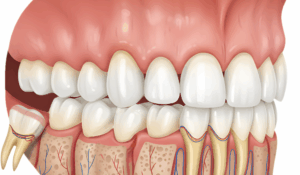
Preventative wisdom tooth extraction is one of the most effective ways to avoid future dental complications. Even if your wisdom teeth haven’t yet caused pain, removing them early can help safeguard your long-term oral health and reduce your risk of deeper issues later in life.
At Bergen Oral & Maxillofacial Surgery, our team routinely evaluates wisdom teeth to help patients make informed, proactive decisions. Below, we explain the top benefits of early wisdom tooth removal—and why timing matters.
Key Takeaways:
- Early removal helps prevent crowding, damage, and discomfort.
- Wisdom teeth are difficult to keep clean, raising cavity risk.
- Preventative extraction reduces the chance of infections and gum disease.
- A surgeon can confirm the best timing through exams and X-rays.
Does Early Removal Reduce Future Orthodontic Issues?
When wisdom teeth begin to erupt, they often shift surrounding teeth out of position. This crowding can undo years of orthodontic progress, create misalignment, and lead to bite issues that require correction.
By removing wisdom teeth before they erupt or shift, patients can prevent unnecessary crowding and maintain the alignment of their existing teeth.
How Does Early Removal Protect Nearby Teeth?
Wisdom teeth don’t just crowd—they apply real pressure on neighboring molars. This pressure can wear down enamel, stress the roots, or even contribute to bone loss. Some patients develop cavities between teeth simply because impacted wisdom teeth create tight, hard-to-clean spaces.
Preventative removal ensures the surrounding teeth stay healthy, strong, and supported.
Avoiding Discomfort and Daily Irritation
Pressure from erupting wisdom teeth can trigger headaches, jaw soreness, and sensitive gums. Even if the pain comes and goes, the underlying issue often progresses.
Removing wisdom teeth early eliminates this stress on your jaw and teeth, helping you maintain comfort while eating, chewing, and speaking.
Reducing the Risk of Infection and Gum Disease
Partially erupted or slow-growing wisdom teeth easily trap bacteria beneath the gumline. This can lead to infections, swelling, and gum disease that spreads beyond the area of the wisdom tooth.
Preventative extraction significantly lowers the chance of developing these conditions, especially in young adults.
Learn more about How Wisdom Teeth Get Infected.
Expert Preventative Care at Bergen Oral & Maxillofacial Surgery
If you’re unsure whether preventative wisdom tooth extraction is right for you, the oral surgeons at Bergen Oral & Maxillofacial Surgery can help. Our specialists evaluate each patient through detailed exams and X-rays to determine the safest—and most beneficial—timing for removal.
For more than 70 years, our practice has been serving Bergen County with patient-centered expert oral care. Our four convenient locations in Franklin Lakes, Hackensack, Ridgewood, and Westwood have received a combined 2,000+ Google reviews—and an average rating of 4.9 stars.
Personalized, gentle, comprehensive patient care is our number one priority.
Wisdom Teeth (FAQ)
Do all wisdom teeth need to be removed?
Not always, but most wisdom teeth eventually cause issues. An exam and X-ray help determine whether removal is recommended.
When is the best age to remove wisdom teeth?
Late teens to early twenties typically offer the easiest surgery and fastest healing.
Is wisdom tooth surgery painful?
With modern anesthesia, patients remain comfortable during the procedure. Recovery is generally mild and quick with proper care.
What if my wisdom teeth aren’t causing pain?
They can still cause hidden damage. Pain isn’t always the first sign of a problem.