The Remarkable Evolution of All-on-4 Dental Implants
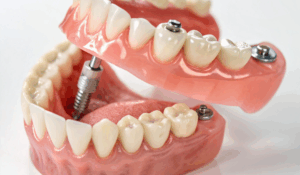
Modern dentistry has reached an extraordinary milestone: restoring an entire arch of teeth using only four strategically placed titanium implants. Known as All-on-4, this technique has transformed the lives of patients who once struggled with failing teeth, unstable dentures, or advanced bone loss. But this innovation didn’t appear overnight – it emerged through decades of research, surgical refinement, and technological advancements in implant dentistry. Understanding how All-on-4 came to be reveals just how revolutionary and reliable it truly is.
At Bergen Oral & Maxillofacial Surgery, patients experience this innovation at its highest standard. Our surgeons combine cutting-edge technology, precise surgical planning, and unmatched expertise to deliver life-changing full-arch restorations – often in a single day.
Key Takeaways:
- All-on-4 restores a full arch of teeth using just four implants.
- The technique evolved from discoveries in osseointegration, implant design, and immediate loading.
- Early implant research focused on full-arch solutions, not individual teeth.
- Angled implants eliminated the need for most bone grafts.
- Today, same-day teeth are possible thanks to decades of scientific breakthroughs.
What Makes All-on-4 Such a Breakthrough?
The All-on-4 method represents a revolution in full-arch tooth replacement. Unlike traditional dentures, which can slip or cause sore spots, All-on-4 implants provide permanent stability and natural function. And unlike older full-arch implant methods that required up to a dozen posts and months of waiting, all-on-4 simplifies the procedure with fewer implants, reduced recovery time, and instant results.
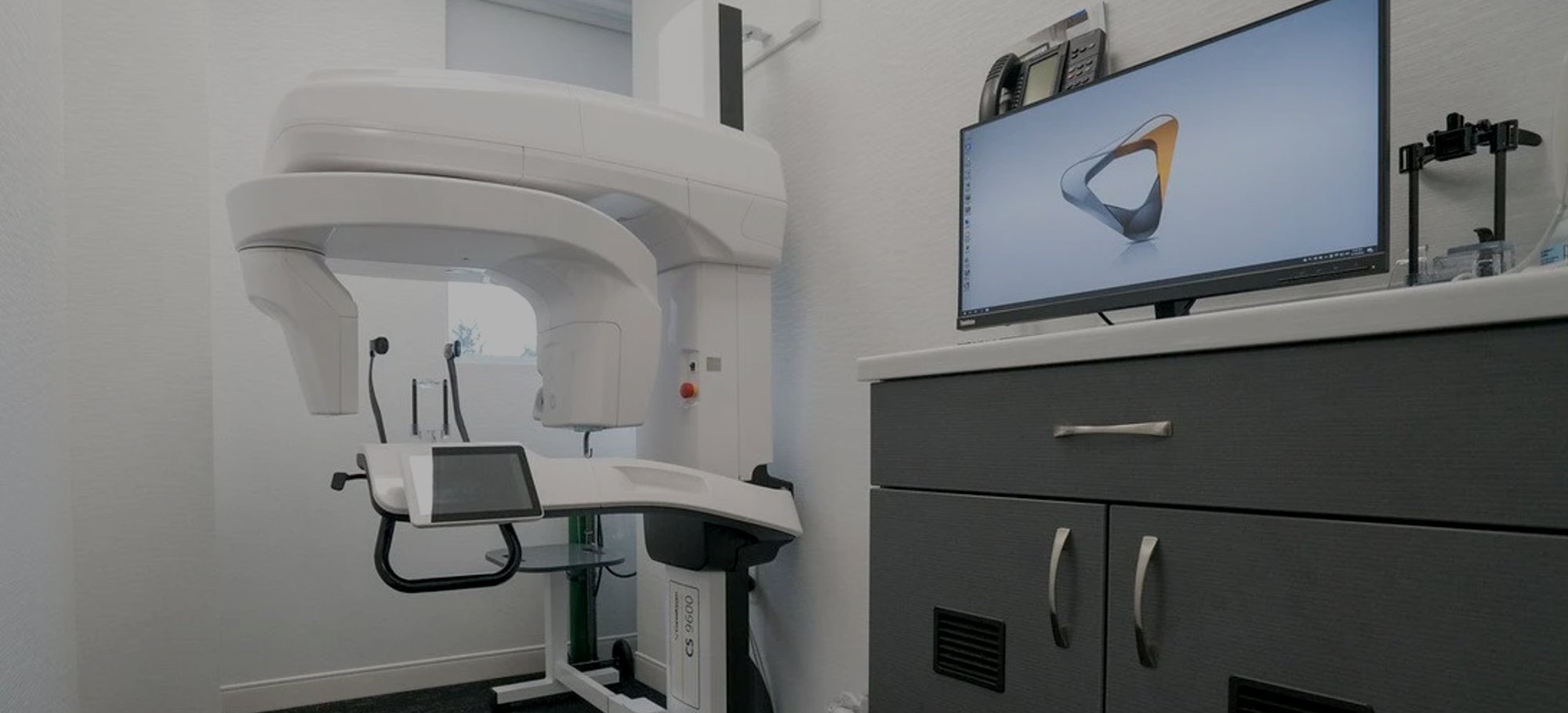
Bergen Oral & Maxillofacial Surgery elevates this experience with unparalleled surgical precision, advanced imaging technology, and a deep understanding of complex facial anatomy. For patients seeking the best of the best, our practice sets the gold standard.
How Did All-on-4 Begin?
All-on-4 would not exist without the groundbreaking research of Swedish physician Per-Ingvar Brånemark, the pioneer of osseointegration. His discovery – that bone could fuse naturally to titanium – changed the course of dental medicine. Brånemark’s titanium implant design became the foundational model for modern dental implants and paved the way for full-arch solutions like All-on-4.
Learn more about Osseointegration.
Why Did Early Implant Experiments Focus on Full Arches Instead of Single Teeth?
Surprisingly, early implant research focused heavily on patients missing entire arches of teeth. There were two key reasons:
- Greater willingness to participate in trials: Full-arch patients were more open to experimental solutions because the alternative – traditional dentures – offered limited comfort and stability.
- Cross-arch strength: Connecting multiple implants allowed for distributed forces, creating a more stable foundation and a safer environment for testing implant performance.
This full-arch focus planted the seeds for what would eventually become All-On-4.
The Innovations That Led to All-On-4
Prior to modern advancements, surgeons used 6-12 implants to support a single prosthetic arch. The assumption was that if one implant failed, the others could compensate. But, research revealed that implant failure rarely occurred due to poor bone integration. Instead, most failures were tied to poor hygiene or improper care.
Once this misconception was corrected, specialists realized that a well-planned restoration could thrive on just four implants, simplifying treatment and improving maintenance for patients.
Learn more about All-on-4 vs Traditional Implants.
How Did Implant Angulation Make All-on-4 Possible?
One of the most pivotal developments was the introduction of angled implants. Angling the posterior implants allowed surgeons to:
- Maximize contact with available bone
- Avoid delicate structures like sinuses and nerves
- Minimize or eliminate bone grafting
- Provide stronger support for the prosthesis
This innovation opened the door for patients with bone loss – many of whom had been told implants weren’t possible.
Learn more about Getting Dental Implants with Bone Loss.
The Final Breakthrough: Same-Day Teeth
All-on-4 became truly revolutionary with the advent of same-day loading, allowing patients to receive a full arch of functioning teeth immediately after implant placement. The concept emerged in the early 1990s, and in 1998, Dr. Paulo Malo completed the first official All-on-4 procedure in collaboration with Nobel Biocare.
Since then, the technique has become the gold standard for full-arch restoration, improving the lives of hundreds of thousands of patients worldwide.
Choose Bergen Oral & Maxillofacial Surgery for All-on-4 in NJ
For patients seeking superior results, Bergen Oral & Maxillofacial Surgery offers unmatched expertise. Our surgeons are leaders in implant dentistry, with advanced training in bone reconstruction, oral surgery, and full-arch rehabilitation.
For more than 70 years, our practice has been serving Bergen County with patient-centered expert oral care. Our four convenient locations in Franklin Lakes, Hackensack, Ridgewood, and Westwood have received a combined 2,000+ Google reviews—and an average rating of 4.9 stars.
Personalized, gentle, comprehensive patient care is our number one priority.
All-on-4 (FAQ)
Can I Get All-on-4 If I have Bone Loss or Gum Disease?
Often, yes. The angled implant technique allows many patients with bone loss to avoid grafting. Gum disease must be treated first, but it rarely prevents All-on-4 candidacy.
How Long Does the All-on-4 Procedure Take?
Surgery typically lasts a few hours. Patients leave the same day with a full temporary arch and return for final teeth after the healing phase.
Do All-on-4 Implants Look Natural?
Absolutely. The prosthetic teeth are custom-designed to match your smile, facial structure, and aesthetic goals.
How Long Do All-on-4 Implants Last?
With proper care, the implants themselves can last a lifetime. The prosthetic teeth may eventually need replacement due to normal wear.
Is the Recovery Painful?
Most patients report only mild to moderate soreness and resume daily activities within a few days.