
How Dental Implants Can Affect Nutrition and Daily Life for Adults
Most adults who lose teeth never decide to change their diet. It changes because certain foods get harder to chew, and the first to go, like raw vegetables, crusty bread, and a good steak, tend to carry the most nutrition.
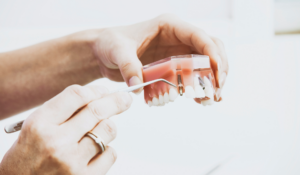
Dental implants restore the stable chewing a varied diet depends on, whether replacing one molar or a full arch. The sections below explain how tooth loss affects nutrition, what implants can and can’t fix on their own, and what eating looks like at each stage of treatment.
Key Takeaways:
- Missing teeth often push adults toward softer, more processed foods, which can mean less fiber, protein, and fresh produce.
- Dental implants anchor into the jawbone, restoring stable chewing that dentures and gaps can’t fully match.
- Better chewing creates the opportunity for better nutrition, but research suggests chewing alone doesn’t automatically change your diet. Intentional food choices matter too.
- Healing comes first. Expect a soft-food phase while implants fuse with the bone, with timing that depends on your procedure.
- Bergen’s board-certified surgeons, many of whom hold both dental and medical degrees, plan each implant case around your oral and overall health.
How Missing Teeth Change What You Eat
Missing teeth make firm, fibrous, and tough foods harder to chew, so many adults gradually shift toward softer options that are easier to manage. Research on American adults backs this up. Diet quality tends to drop as the number of missing teeth climbs, according to a 2023 study in The American Journal of Medicine based on national health survey data. A 2025 study of Americans of ages 50 and older found that people who still had natural teeth were more likely than those with no remaining teeth to get enough key nutrients.
In everyday terms, that can mean fewer salads, less protein, and more meals built around whatever is easiest to chew. Each swap seems minor, but together they shape how well your body is nourished.
| Food | Why It Gets Harder | What You May Miss |
|---|---|---|
| Raw vegetables | Need grinding with the back teeth | Fiber, vitamin C, folate |
| Firm fruit like apples and pears | Tough skins and crisp bites | Fiber, vitamin C, antioxidants |
| Lean meats | Require sustained chewing force | Protein, iron, zinc, vitamin B12 |
| Nuts and seeds | Hard, small pieces | Healthy fats, magnesium, vitamin E |
| Whole-grain and crusty breads | Dense and chewy | Fiber, B vitamins |
Many soft, processed foods fill you up but offer less of what your body uses to maintain muscle, support digestion, protect your heart, and heal well.
Tooth Loss Affects Adults of Every Age
Plenty of adults in their 30s, 40s, and 50s lose a tooth to decay, a crack, gum disease, or an injury. Even one missing molar changes how you chew. Many people shift to the other side of the mouth, which can put extra wear on those teeth and on the jaw joint. Neighboring teeth can also drift into the open space over time.
Below the gumline, the jawbone where the tooth used to sit starts to shrink because nothing is stimulating it anymore. That bone loss can make future tooth replacement more involved, sometimes requiring bone grafting before an implant can go in. Replacing a tooth sooner tends to keep both your options and your diet wider.
Why Dental Implants Restore Chewing Differently Than Dentures
Dental implants are anchored in the jawbone, so they handle chewing force much the way natural tooth roots do. Removable dentures rest on the gums and rely on suction or adhesive, which limits how much pressure you can comfortably apply.
An implant is a small titanium post placed in the jaw. Over the following months, the bone grows around and bonds to the post through a process called osseointegration. Once that bond forms, a crown, bridge, or full-arch restoration attaches to the implant. Because chewing force travels into the bone, biting into an apple or working through a piece of chicken feels stable and secure. The implant also keeps stimulating the jawbone, which helps preserve it.
| Factor | Missing Teeth (Untreated) | Removable Dentures | Dental Implants |
|---|---|---|---|
| Chewing stability | Uneven, often one-sided | Can slip or shift while eating | Fixed and anchored in bone |
| Food range | Soft foods favored | Many firm foods avoided | Most foods possible after healing |
| Jawbone | Shrinks over time | Bone loss continues | Stimulated like natural roots |
| Daily routine | Food traps and sensitivity | Removal, soaking, and adhesive | Brush and floss much like natural teeth |
| Neighboring teeth | May drift into gaps | Clasps on partials can strain them | Left untouched with single implants |
Learn more about Teeth Replacement Options: All-on-4® Dental Implants vs. Traditional Implants
Can Dental Implants Improve Your Nutrition? What the Research Shows
Dental implants clearly improve chewing, and that gives you the ability to eat a more nutritious diet again. The research also suggests that new teeth alone don’t automatically change what people eat. Deliberate food choices make a difference.
On the chewing side, the evidence is encouraging. A systematic review in BMC Oral Health found that dental implants generally improved chewing efficiency in older adults, with one included study also reporting a gain in bite force.
Nutrition is a bit more complicated. In a randomized clinical trial published in the Journal of Dental Research, researchers followed 255 adults aged 65 and older who received either conventional dentures or a lower denture supported by two implants. The implant group reported quality-of-life benefits, yet after one year, their nutrient intake looked about the same as the denture group’s.
One likely reason is habit. Participants in that trial didn’t receive any dietary guidance. Years of steering around certain foods can leave people with routines, recipes, and shopping lists built around what was easy to chew. New teeth make a better diet possible, and the rest comes from rebuilding those habits on purpose.
How to Make the Most of Your Restored Chewing
- Reintroduce produce in steps. Start with steamed or roasted vegetables, then work toward crisp raw ones as your surgeon clears you.
- Put protein first. Eggs, fish, chicken, beans, and Greek yogurt support healing during recovery and muscle strength afterward.
- Trade up your grains. Whole-grain bread, brown rice, and oats bring back the fiber that soft white starches lack.
- Ask for help when you need it. A registered dietitian or your physician can guide you if you’ve eaten restrictively for years, have diabetes, or have lost weight without trying.
Read more about The Best Vitamins and Supplements for Dental Health.
What Eating Looks Like at Each Stage of Implant Treatment
Your diet changes in stages, moving from soft foods right after surgery to a nearly unrestricted diet once your final restoration is in place. Exact timing depends on how many implants you receive, whether you need bone grafting, and how your body heals.
| Stage | Typical Timing | What to Eat |
|---|---|---|
| Right after surgery | First 24 to 48 hours | Cool, soft foods such as yogurt, applesauce, pudding, and smoothies (no straw) |
| Early healing | First week or two | Soft, protein-rich foods like scrambled eggs, flaky fish, mashed potatoes, oatmeal, and lukewarm soup |
| Osseointegration | Several weeks to a few months; full-arch patients often follow a soft diet for 8 to 12 weeks | Fork-tender foods, chewing away from the implant site, no hard or sticky foods |
| After final restoration | Often 3 to 6 months after surgery, depending on your treatment | Most foods, including crisp vegetables, apples, and steak |
The soft-food phase is a good time to protect your nutrition. Blended soups made with beans or lentils, cottage cheese, protein shakes, and soft-cooked salmon keep protein and nutrients up while the implants integrate. Your surgeon will give you instructions specific to your case, and you can review our post-op instructions for dental implant placement.
How Dental Implants Affect Daily Life Beyond the Dinner Table
Eating tends to be the biggest frustration people bring into treatment. In one study of patients seeking dental implants, 78% named eating as their most common problem before surgery. After treatment, quality of life tied to eating, speaking clearly, smiling, enjoying time with others, and work activities improved significantly.
In practice, those improvements show up in ordinary moments. Dinner with friends no longer starts with scanning the menu for something safe. Fixed implant-supported teeth don’t need adhesive or an overnight soaking cup, and care looks a lot like caring for natural teeth: brushing, flossing, and regular checkups.
For a detailed look at full-arch treatment specifically, read Life After All-on-4: What Eating, Speaking, and Smiling Really Feels Like.
Are Dental Implants Right for You?
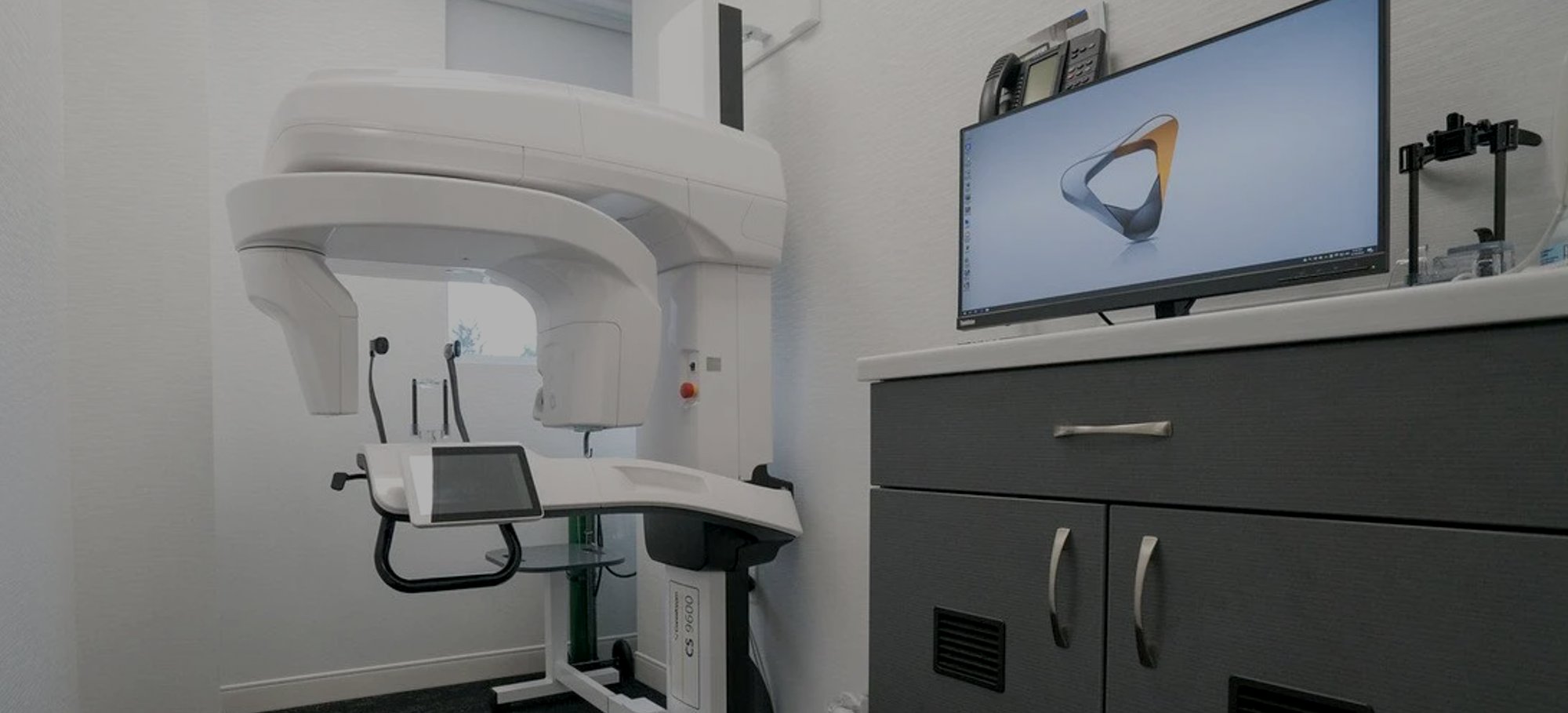
Most healthy adults with missing teeth are candidates for dental implants, and the deciding factors are bone, overall health, and habits rather than age. A thorough evaluation includes 3D CBCT imaging to measure your bone and a full review of your medical history.
A few factors deserve a closer look before surgery:
- Bone volume: Low bone density doesn’t automatically rule you out, and grafting or angled implant techniques can often help.
- Health conditions: Well-managed diabetes and many heart conditions are compatible with implants when your care is coordinated with your physician.
- Smoking and vaping: Both are linked to a higher risk of implant complications, so quitting before treatment improves your odds.
Because many of Bergen’s surgeons hold both dental and medical degrees, they can weigh complex health histories that a general dental office may not be equipped to assess.
Why North Jersey Adults Choose Bergen Oral & Maxillofacial Surgery
For more than 70 years, Bergen Oral & Maxillofacial Surgery has helped patients across North Jersey and Rockland County, NY, replace missing teeth and get back to eating comfortably.
- Dual-degree surgical expertise: Bergen is the only practice in Bergen County with dual-degree oral and maxillofacial surgeons, and our team includes board-certified surgeons.
- Precise planning: 3D imaging maps your bone and nerve positions before any implant is placed.
- In-office sedation: IV sedation and general anesthesia are available in our offices, with hospital-grade monitoring throughout.
- Four convenient locations: Visit us in Franklin Lakes, Hackensack, Paramus, or Westwood.
- Care when you need it: Same-day emergency care is available seven days a week.
- Trusted by patients: More than 2,000 five-star Google reviews reflect decades of patient-centered care.
- Clear costs: Our billing team explains fees up front, and CareCredit financing is available.
Ready to Eat Comfortably Again?
A full, nourishing diet starts with teeth you can rely on. Bergen’s board-certified surgeons will evaluate your bone, health, and goals and give you an honest answer about whether dental implants are right for you. Call or text (201) 477-2667 or request an appointment online.
Dental Implants and Nutrition FAQs
Can you eat normally with dental implants?
Yes. Once your implants have fully healed and your final restoration is in place, most patients eat nearly everything they enjoyed with natural teeth.
How long after dental implants can I eat solid food?
Most patients move to soft solids within the first week or two. Firmer foods usually wait until the implants have fused with the bone, which often takes a few months.
Are there foods to avoid with long-term dental implants?
Very few. Chewing ice, cracking hard candy, biting down on popcorn kernels, and using your teeth to open packages can damage crowns and restorations. Very sticky foods can also pull on temporary teeth during the healing phase.
Are implants better than dentures for eating?
For most patients, yes. Implants are anchored in bone, so they stay put while you chew and allow a wider range of foods.