
Why Does My Jaw Click or Pop? TMJ Signs & When to See an Oral Surgeon
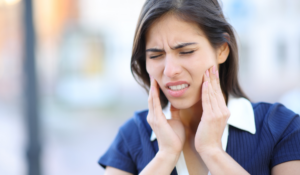
A jaw that clicks or pops when you chew, yawn, or talk can make you wonder what’s happening inside the joint and whether it’s something to worry about. For many people, the sound shows up out of nowhere and never causes a problem. For others, it comes with soreness, stiffness, or a jaw that doesn’t open as easily as it used to. With jaw popping, the answer usually depends less on the sound itself and more on what comes with it. Knowing which signs are normal and which can point to a TMJ disorder can help you decide whether to simply keep an eye on it or have it checked by an oral surgeon.
Key Takeaways:
- A clicking or popping jaw with no pain is common and usually doesn’t need treatment.
- A TMJ disorder is more likely when the noise comes with jaw pain, stiffness, locking, or trouble chewing.
- Soft foods, warm or cold compresses, and a relaxed jaw posture often ease mild TMJ symptoms.
- See an oral surgeon if your jaw locks, you can’t open or close your mouth fully, or pain sticks around despite home care.
- TMJ treatment starts with conservative care, and joint procedures are saved for problems that don’t respond.
What Causes Jaw Popping and Clicking?
Both sides of your face have a temporomandibular joint, or TMJ, sitting just in front of the ear. This joint opens like a hinge and slides forward at the same time, joining your lower jaw to your skull. Between the bones, a thin cartilage disk acts as a cushion so the motion stays smooth. Place a fingertip just ahead of each ear, then open your mouth slowly, and you’ll notice both joints shifting beneath the skin.
Jaw clicking usually comes from that moving system. When the disk shifts slightly out of position and then slips back as the jaw moves, it can make a click or pop, often when chewing or opening your mouth wide. A rough, sandy grating sound is different. It can point to wear on the joint, such as arthritis that damages the joint’s cartilage.
Clicking Without Pain Is Usually Normal
A jaw that pops or clicks but doesn’t hurt or lock falls within the range of normal and doesn’t call for treatment. Mention it at your next dental visit anyway so your dentist can track any changes over time.
TMJ Symptoms That Point to a Disorder
Temporomandibular disorders, often shortened to TMD or simply called TMJ, cover more than 30 separate conditions involving the jaw joint and the chewing muscles. Roughly one in 20 U.S. adults has one, according to the National Institute of Dental and Craniofacial Research, and women are affected about twice as often as men, most often in their mid-30s to mid-40s.
The most common TMD symptom is pain, which often shows up in the chewing muscles rather than in the joint alone. Jaw popping or clicking that appears alongside any of the following is worth paying attention to:
- Tenderness or pain in the jaw joint or chewing muscles
- Aching that spreads into the neck or face, or frequent headaches
- Jaw stiffness
- A jaw that locks or won’t open as wide as it used to
- Clicking or grating that hurts
- Trouble chewing, or a sense that your teeth no longer fit together the same way
Other problems, like tooth or sinus issues, can cause similar pain, which is one reason an exam matters before assuming it’s TMJ, especially when only one side of your jaw hurts.
Read more: Why Does One Side of My Jaw Hurt
What Causes TMJ Problems
For many people, TMJ symptoms start without any obvious trigger. An injury to the joint causes some TMDs, but in most cases the exact cause is unknown. Researchers believe genetics and life stress both play a part, along with how a person experiences pain.
Arthritis and past jaw injuries increase the risk, and stress or anxiety can make symptoms worse. Daily habits matter too. Clenching or grinding your teeth, called bruxism, long stretches of gum chewing, and nail biting all put repeated strain on the joint and the muscles around it. TMD also often occurs alongside other conditions, such as headaches, sleep problems, and fibromyalgia.
Learn more about: TMJ, Clenching, and Grinding
Simple Steps That Often Ease Mild TMJ Symptoms
The best place to start is simple, reversible care. When jaw clicking comes with mild soreness, these steps often help.
- Choose soft foods and skip anything that forces your jaw open wide or requires heavy chewing.
- Apply warm or cold compresses to the side of your face, paired with gentle jaw stretches.
- Take an over-the-counter pain reliever such as ibuprofen if it’s safe for you.
- Notice when you clench during the day and let your jaw muscles relax.
- Keep your back teeth slightly apart when you’re not chewing, so your jaw muscles can rest.
When to See an Oral Surgeon for TMJ Pain
Get checked if jaw pain won’t let up or spikes when you move your jaw, or if your mouth won’t open or close all the way. TMJ symptoms that don’t settle with home care deserve an exam too.
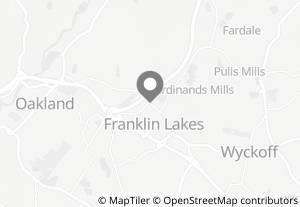
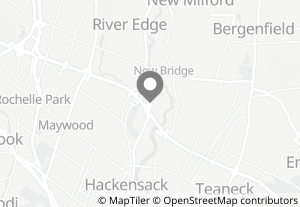
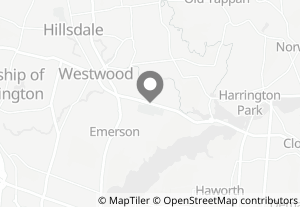
Some situations call for a same-day phone call. If your jaw locks open and won’t close, or jaw pain follows a fall or a blow to the face, contact an oral surgeon right away. Bergen Oral & Maxillofacial Surgery offers emergency care seven days a week, with offices in Franklin Lakes, Hackensack, Paramus, and Westwood.
Many people start with their general dentist, and that’s a sensible first step. An oral and maxillofacial surgeon becomes the right TMJ specialist when the problem involves the joint itself, such as a disk that keeps catching or damage from an injury. These surgeons complete hospital-based residencies focused on the mouth, jaws, and face, and Bergen’s team includes dual-degree surgeons who also hold medical degrees.
How Bergen Oral Surgery Treats TMJ Disorders
A TMJ evaluation starts with your history, including where the pain sits and what sets it off. Your surgeon will then check the joints and chewing muscles for tenderness and see how far your jaw opens. When the joint itself needs a closer look, imaging such as an MRI or CT scan may follow.
Treatment starts conservatively, and many patients improve with medication, physical therapy, and habit changes. For joint problems that don’t respond, an oral and maxillofacial surgeon may discuss minimally invasive TMJ treatment options. Arthrocentesis flushes the joint with fluid to reduce inflammation and can improve pain and mouth opening for some patients, though results vary from person to person. Arthroscopy uses a tiny camera to examine and treat the inside of the joint. Open joint surgery is reserved for severe cases that haven’t improved with other treatments.
Cost questions are part of the conversation too. Bergen’s in-house billing team helps you understand your insurance benefits and explains any uncovered fees before treatment begins, and CareCredit financing is available to help spread out the cost.
A Painful or Locking Jaw Deserves a Specialist’s Look
A clicking jaw on its own is rarely a concern, but pain, stiffness, or locking can signal a TMJ disorder that’s easier to manage with early care. If your jaw clicks or pops along with discomfort, Bergen Oral Surgery’s board-certified oral and maxillofacial surgeons can pinpoint the source and guide you toward relief. With four North Jersey offices, expert TMJ treatment in Bergen County is close to home.
Ready for answers? Call your nearest office or Request Your Appointment to schedule a TMJ evaluation.
Frequently Asked Questions About Jaw Clicking and TMJ
Can TMJ go away on its own?
Often, yes. Many TMDs last only a short time and go away by themselves. Lingering or worsening symptoms are a good reason to schedule an exam.
Can TMJ cause ear pain or ringing in the ears?
Yes. Because the joint sits right in front of the ear, TMJ problems can cause aching in and around the ear. Ringing in the ears, hearing loss, and dizziness are also possible TMD symptoms, so mention them to your surgeon if an ear exam doesn’t find another cause.
Do braces or a bad bite cause TMJ disorders?
Research doesn’t support that idea. A misaligned bite or past orthodontic treatment hasn’t been shown to cause TMDs, and treatments that permanently reshape the bite haven’t proven effective for them either.
Will a night guard help my TMJ?
It might, especially if you clench or grind at night, though research on whether these appliances reduce TMD pain is limited. A good appliance shields your teeth and leaves your bite exactly as it is. If wearing it makes your jaw hurt, set it aside and check in with your provider.
Helpful Links
- TMJ Disorders at Bergen Oral Surgery
- Corrective Jaw/Orthognathic Surgery
- Same-Day Surgery and Emergency Care