How Many Teeth Do Adults Have? Wisdom Teeth, Missing Teeth & Surgical Solutions
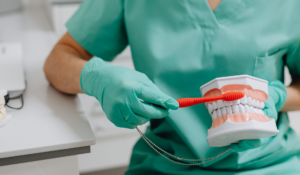
Most adults have 32 permanent teeth, but that number might surprise you when you count your own. Between wisdom tooth removal, natural variation, and other dental history, plenty of adults end up with fewer than 32, and that’s more common than most people realize.
Understanding how many teeth you should have, and why your count might be different, matters more than you’d think. Tooth count directly affects bite alignment, jawbone health, facial structure, and long-term oral function. So if you’ve ever wondered whether your smile adds up, here’s what you need to know.
Key Takeaways:
- Most adults have 32 permanent teeth, including wisdom teeth, but many have fewer due to extractions or natural variation.
- Adults without wisdom teeth typically have 28 teeth.
- Missing teeth can lead to bone loss, shifting, and bite problems if not treated.
- Dental implants are the most advanced and long-lasting solution for replacing missing teeth.
- Jaw alignment and skeletal structure can impact tooth positioning and overall oral health.
- Oral and maxillofacial surgeons specialize in managing complex tooth and jaw conditions safely and effectively.
Understanding Adult Tooth Count
Permanent adult teeth replace baby teeth during childhood and adolescence, and by the time that process is complete, most people have 32 total teeth. That full set includes eight incisors, four canines, eight premolars, and twelve molars. The last four molars are what we call wisdom teeth, or third molars.
That said, not every adult develops all four wisdom teeth, and many have them removed for preventative or medical reasons. Having fewer than 32 teeth is completely common. What matters most is understanding your individual tooth count and what it means for your jaw health and long-term oral stability.
Do Wisdom Teeth Count Toward the 32?
Wisdom teeth are included in the full adult count of 32 teeth. Also called third molars, they typically emerge in the late teens or early twenties, but frequently come in impacted or misaligned, meaning there isn’t enough room in the jaw for them to erupt properly.
When that happens, many patients undergo wisdom tooth removal to prevent infection, crowding, damage to neighboring teeth, or cyst formation. Removal by an experienced oral surgeon does not negatively impact chewing function, and for most patients, it’s a straightforward procedure with a smooth recovery.
Learn more about the Types of Impacted Wisdom Teeth.
Why Some Adults Naturally Have Fewer Teeth
There are several reasons an adult might have fewer than 32 teeth, and most of them have nothing to do with poor dental hygiene.
Some adults never develop certain permanent teeth at all, a condition known as congenital absence. The teeth most commonly affected are the upper lateral incisors, second premolars, and wisdom teeth. Others lose teeth later in life due to decay, advanced gum disease, or facial trauma. Certain medications, medical treatments like chemotherapy, and conditions that affect bone density can also play a role in tooth loss over time.
Regardless of the cause, the effect on oral health is the same. Gaps left by missing teeth allow neighboring teeth to shift, alter the bite, and accelerate bone loss in the jaw. The sooner those gaps are addressed, the easier it is to protect the surrounding teeth and maintain jaw structure long term.
Did you know stress can have a significant effect on your oral health? Read more with How Stress Impacts Oral Health.
Do Some Adults Have 28 Teeth?
Adults who have had all four wisdom teeth removed typically have 28 permanent teeth, which is a very standard and healthy count. That number can vary further depending on individual dental history, but having 28 teeth is nothing to be concerned about.
Read more about Extracting Four Wisdom Teeth at the Same Time.
What Happens If You’re Missing a Tooth?
Even a single missing tooth sets off a chain reaction in your mouth. Adjacent teeth tend to drift toward the open space over time, which shifts your bite and places added stress on your jaw joints. What starts as one gap can quietly affect the alignment and health of surrounding teeth.
Jawbone deterioration is another serious concern. When a tooth root is no longer present, the jawbone in that area stops receiving the stimulation it needs and begins to shrink. Over time, that bone loss can alter your facial structure and compromise the stability of neighboring teeth. The longer a missing tooth goes untreated, the more complex the path to correction becomes.
Early intervention makes a significant difference. Schedule an appointment with Bergen Oral & Maxillofacial Surgery if you are concerned about missing teeth.
Replace Missing Teeth with Dental Implants
Dental implants are widely considered the gold standard for permanent tooth replacement, and for good reason. Unlike bridges or dentures, implants replace both the root and the crown of a missing tooth. That means the jawbone continues to receive stimulation, bone loss is prevented, and the surrounding teeth stay in place.
Implants look, feel, and function like natural teeth. They maintain facial structure, restore full chewing ability, and with proper care, they’re built to last a lifetime.
Implant placement requires surgical precision and advanced training.
Bergen Oral & Maxillofacial Surgery specializes in implant placement, including All-on-4 dental implants, and regularly handles complex and medically involved cases that require a surgeon’s level of training rather than a general dentist’s.
Learn more about What Happens During All-on-4 Surgery.
How Jaw Structure Affects Tooth Alignment and Function
Tooth count alone doesn’t tell the whole story of oral health. Skeletal structure and jaw alignment are equally important factors. Overbites, underbites, crossbites, and facial asymmetry can all impact chewing efficiency, speech, breathing, and long-term bite stability. In some cases, no amount of orthodontic work alone can fully correct these issues.
Corrective Jaw Surgery (Orthognathic Surgery)
Orthognathic surgery addresses the underlying skeletal imbalances that affect how your upper and lower jaws fit together. Unlike orthodontic treatment, which moves teeth, this procedure repositions the jaw itself to improve bite function, facial balance, airway health, and overall oral comfort.
Because this level of treatment involves both surgical and medical expertise, the dual-degree surgeons at Bergen Oral & Maxillofacial Surgery are uniquely positioned to manage these cases, bringing a complete understanding of how oral health connects to your overall medical picture.
Read more about Dr. Feuerstein’s Facial Trauma Case to learn more about orthognathic surgery.
When to See an Oral and Maxillofacial Surgeon
General dentists handle routine care exceptionally well, but some conditions require a specialist. Oral and maxillofacial surgeons are trained specifically to manage impacted teeth, missing teeth, bone loss, jaw misalignment, and facial trauma. If you’re dealing with any of these issues, a surgical consultation is the right next step.
Bergen Oral & Maxillofacial Surgery holds hospital affiliations in both New Jersey and New York and offers same-day emergency care for urgent situations. Whether your needs are straightforward or complex, the team is equipped to handle them.
Your Smile, Your Jaw, Your Health — Expert Care at Bergen Oral & Maxillofacial Surgery
While most adults have 32 teeth, many have fewer, and that’s nothing to be alarmed about. What matters is understanding the impact of missing or misaligned teeth and taking action before small issues become bigger ones.
Bergen Oral & Maxillofacial Surgery has been serving Bergen County and surrounding areas, including Rockland County, NY, for more than 70 years. Trusted by dentists and patients alike for over seven decades, the practice is the only one in the area to feature dual-degree oral surgeons, professionals who hold degrees in both dentistry and medicine. That unique combination of expertise means patients receive the highest level of surgical care available, from routine wisdom tooth removal to complex implant cases and corrective jaw surgery.
With more than 2,000 Google reviews and four convenient locations, Bergen Oral & Maxillofacial Surgery has built a long track record of excellent outcomes and patient-centered care.
Call or text 201-477-2667 or request an appointment online.
Adult Teeth FAQ
How Many Teeth Do Adults Have Without Wisdom Teeth?
Adults who have had their wisdom teeth removed typically have 28 permanent teeth, which is a completely normal and healthy count.
Is It Normal to Have Fewer Than 32 Teeth?
Having fewer than 32 teeth is extremely common among adults. Extractions, congenital absence, trauma, and dental disease all contribute to lower tooth counts, and 28 or fewer teeth is nothing out of the ordinary.
Is Having 24 Teeth Normal?
A count of 24 teeth suggests that additional teeth beyond the wisdom teeth have been lost, possibly due to decay, gum disease, or injury. An oral surgeon can evaluate the situation and recommend the most appropriate path to restoring function and stability.
What Is the Best Way to Replace a Missing Tooth?
Dental implants are widely regarded as the most durable and natural-feeling long-term solution for tooth replacement. They preserve jawbone health and restore full chewing function in a way that bridges or dentures cannot replicate.
Do Wisdom Teeth Always Need to Be Removed?
Wisdom teeth that come in fully and without complications can sometimes be left in place. Impacted or problematic wisdom teeth, however, frequently require surgical removal to prevent pain, infection, crowding, or damage to surrounding teeth.
Can Missing Teeth Affect My Jaw?
Missing teeth have a direct impact on jaw health. Bone loss, bite misalignment, and increased strain on the jaw joints are all common consequences of leaving gaps untreated over time.
How Many Teeth Does a 60-Year-Old Have?
Tooth count in older adults varies widely based on individual dental history. Many people in their 60s have fewer than 32 teeth, but with proper care and restorative treatment where needed, maintaining strong oral function and a healthy smile is very achievable.