Why You Shouldn’t Wait to Remove Your Wisdom Teeth

Wisdom teeth removal is one of the most common oral surgeries in the U.S.—but the consequences of waiting too long can escalate quickly. Even if your wisdom teeth aren’t currently painful, they may already be causing damage beneath the surface. If your dentist has recommended removal, timely treatment is the safest choice for your long-term oral health.
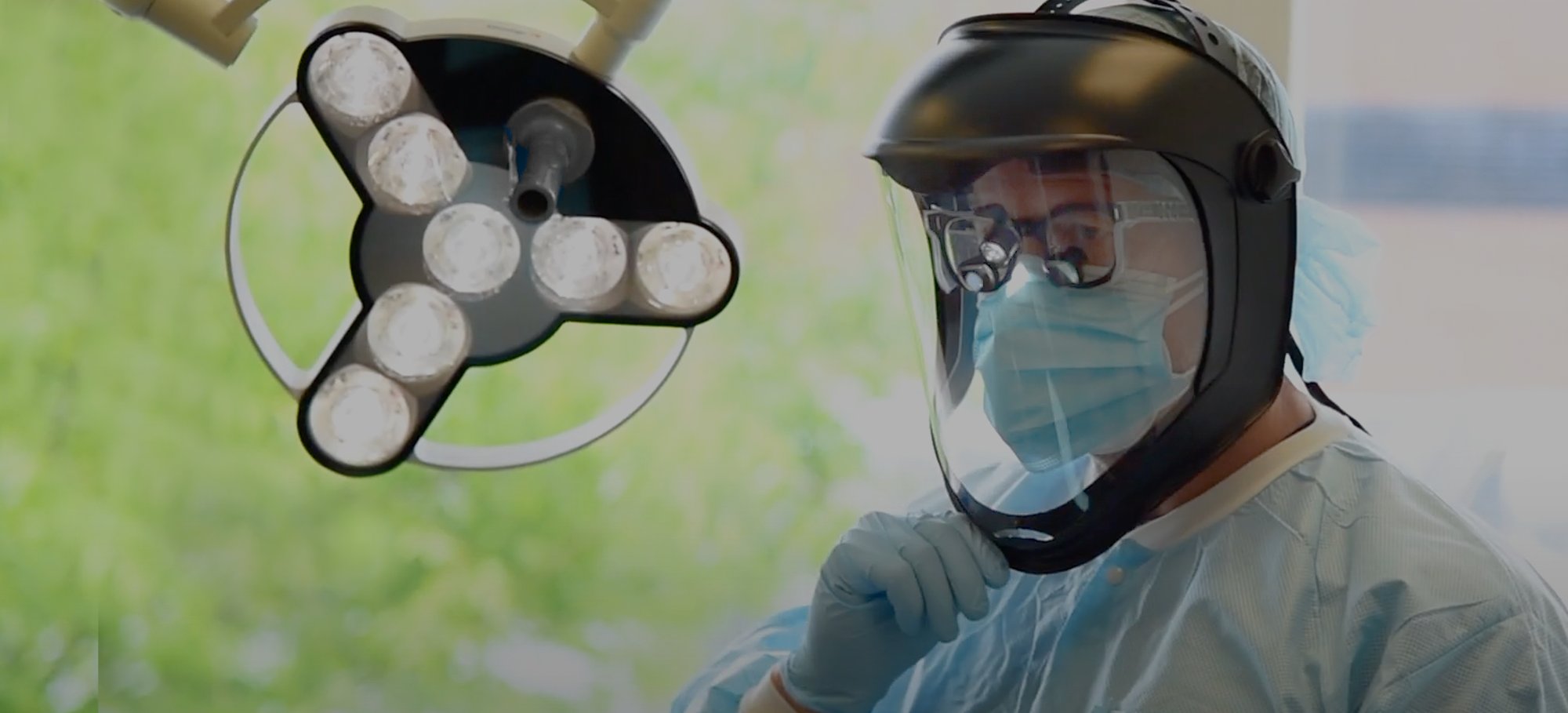
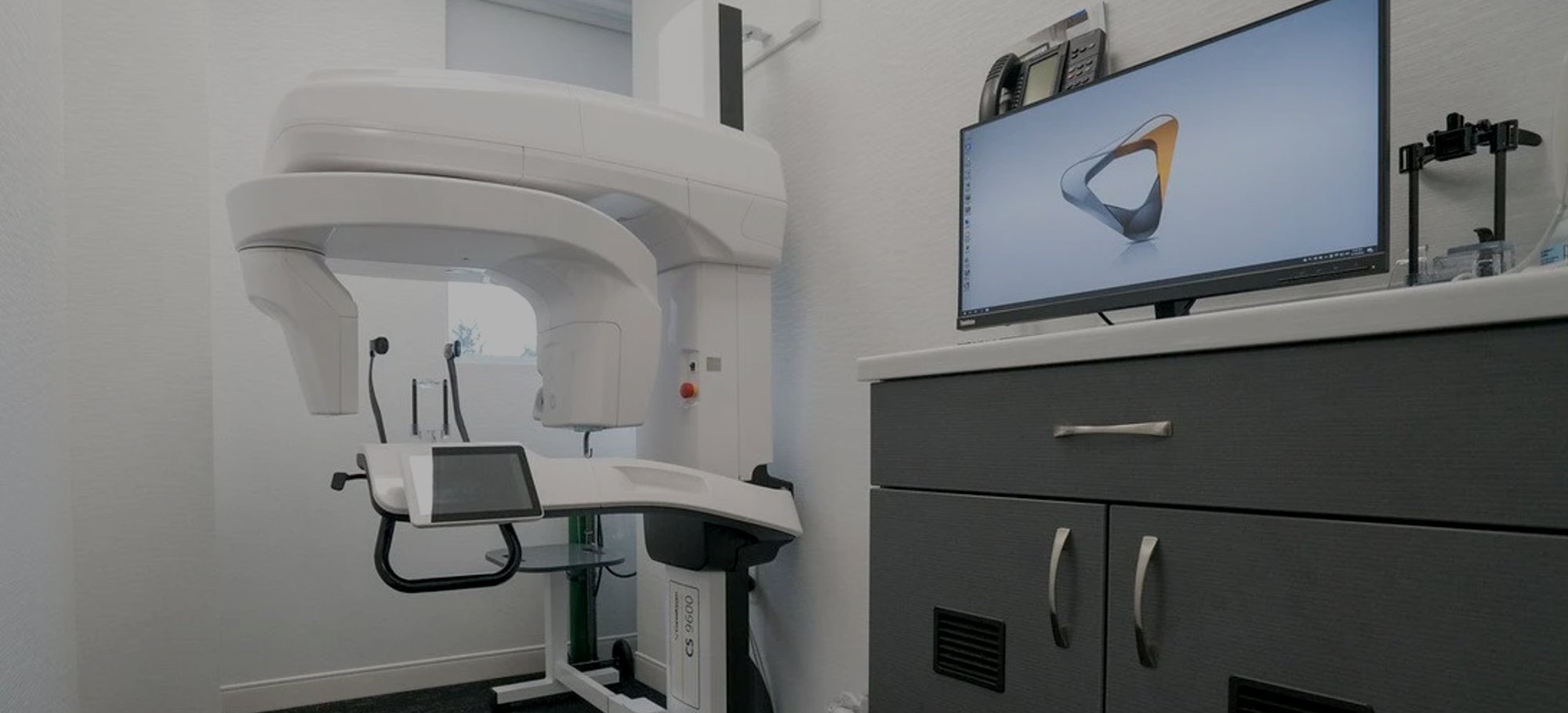
At Bergen Oral & Maxillofacial Surgery, New Jersey’s most trusted team of dual-degree surgeons, we specialize in gentle, precise, and comfortable wisdom tooth removal using the most advanced surgical technology available.
Key Takeaways:
- Delaying wisdom tooth removal increases the risk of pain, crowding, infections, and cysts.
- Most mouths simply don’t have room for 32 teeth—leading to shifting and crooked smiles.
- Impacted wisdom teeth can cause chronic pain, swelling, and bacterial infections.
- Cysts near impacted teeth can damage nerves, bone, and surrounding teeth.
- Bergen Oral & Maxillofacial Surgery provides the highest level of safety, technology, and expertise in NJ.
- Scheduling a consultation early can prevent long-term dental complications and discomfort.
What Happens If You Don’t Remove Your Wisdom Teeth?
Can Wisdom Teeth Really Make Your Teeth Crooked?
Yes—lack of space forces other teeth out of alignment.
The average adult jaw supports 28 teeth comfortably, but wisdom teeth push this number to nearly 32. When there isn’t enough room, wisdom teeth grow sideways or at sharp angles. This pressure can shift nearby teeth—and once crowding occurs, extraction alone won’t fix the misalignment. Orthodontic treatment is usually needed to straighten your smile again.
Why Are Impacted Wisdom Teeth So Painful?
They press against nerves, bone, and surrounding teeth.
Impacted wisdom teeth stay trapped beneath the gumline, creating pressure and tension that can cause persistent or severe pain. While many people worry about the removal procedure, the reality is this:
Living with chronic pain is far more uncomfortable than having the teeth removed.
At Bergen Oral & Maxillofacial Surgery, IV sedation and modern surgical methods make the procedure smooth, fast, and anxiety-free.
Read more about Types of Impacted Wisdom Teeth.
Can Wisdom Teeth Cause Infections?
Yes—pericoronitis is a common and painful bacterial infection.
Partially erupted teeth trap food and bacteria beneath the gums, creating the perfect environment for infection. Pericoronitis can cause swelling, difficulty swallowing, fever, and radiating jaw pain. If untreated, the infection can spread to healthy teeth and gum tissue, or in rare cases, beyond the oral cavity.
Read more about How Do Wisdom Teeth Get Infected.
Why Choose Bergen Oral & Maxillofacial Surgery?
Not all oral surgery practices are the same. For 70 years, Bergen Oral & Maxillofacial Surgery has been the leading provider of oral surgery in NJ and NY—built on trust, innovation, and patient-first care.
For more than 70 years, our practice has been serving Bergen County with patient-centered expert oral care. Our four convenient locations in Franklin Lakes, Hackensack, Ridgewood, and Westwood have received a combined 2,000+ Google reviews—and an average rating of 4.9 stars.
Personalized, gentle, comprehensive patient care is our number one priority.
Wisdom Teeth Removal (FAQ)
How do I know if my wisdom teeth need to be removed?
Most patients do. If your dentist has recommended removal—or if you’re experiencing pain, swelling, or crowding—it’s time for a consultation.
Is wisdom teeth removal painful?
The procedure itself is not painful thanks to IV sedation. Mild soreness afterward is normal and manageable with medication.
What age is best for extraction?
Late teens to early 20s is ideal, but adults of any age can safely undergo removal.
How long is the recovery?
Most patients return to normal activities within 2–3 days.
Do all wisdom teeth need to be removed?
Not always—but a specialist must evaluate them through 3D imaging to determine if they pose a risk.