What Happens During All-on-4 Surgery?
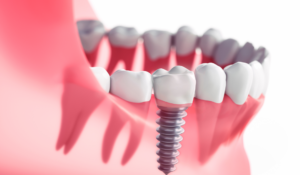
All-on-4 Dental Implants are a full-arch dental implant solution to restore a full arch of teeth using just 4-6 strategically-placed implants. Designed to provide immediate function and stability, All-on-4 has become one of the most popular options for patients seeking a permanent alternative to dentures or missing teeth.
Although All-on-4 implants are less invasive than traditional full-mouth dental implants, they still require oral surgery. It’s natural for patients to have questions about what the procedure involves, what recovery looks like, and whether they’re a good candidate. At Bergen Oral & Maxillofacial Surgery, our experienced, dual-degree oral surgeons evaluate each case individually and guide patients through every step of the process from consultation to final restoration.
In this article, we’ll discuss:
- What the All-on-4 procedure is and why it’s a popular full-arch implant option
- Step-by-step expectations before, during, and after surgery
- Recovery timelines and best practices for optimal healing
- Possible risks, complications, and how Bergen Oral Surgery mitigates them
- What the implants feel like and how to maintain long-term success
What Happens Before All-on-4 Surgery?
Careful planning before All-on-4 surgery is essential for patient safety, comfort, and long-term success. Every tooth replacement procedure begins with a consultation. If All-on-4 dental implants are determined to be the best solution, our team provides detailed pre-surgical guidance to help you confidently prepare for your surgery.
What Does the All-on-4 Consultation Involve?
Before scheduling your All-on-4 tooth replacement surgery, you will meet with a surgeon for a consultation and thorough evaluation of your oral and overall health. At BOMS, our surgeons review your medical history and goals, exploring every option to restore your smile.
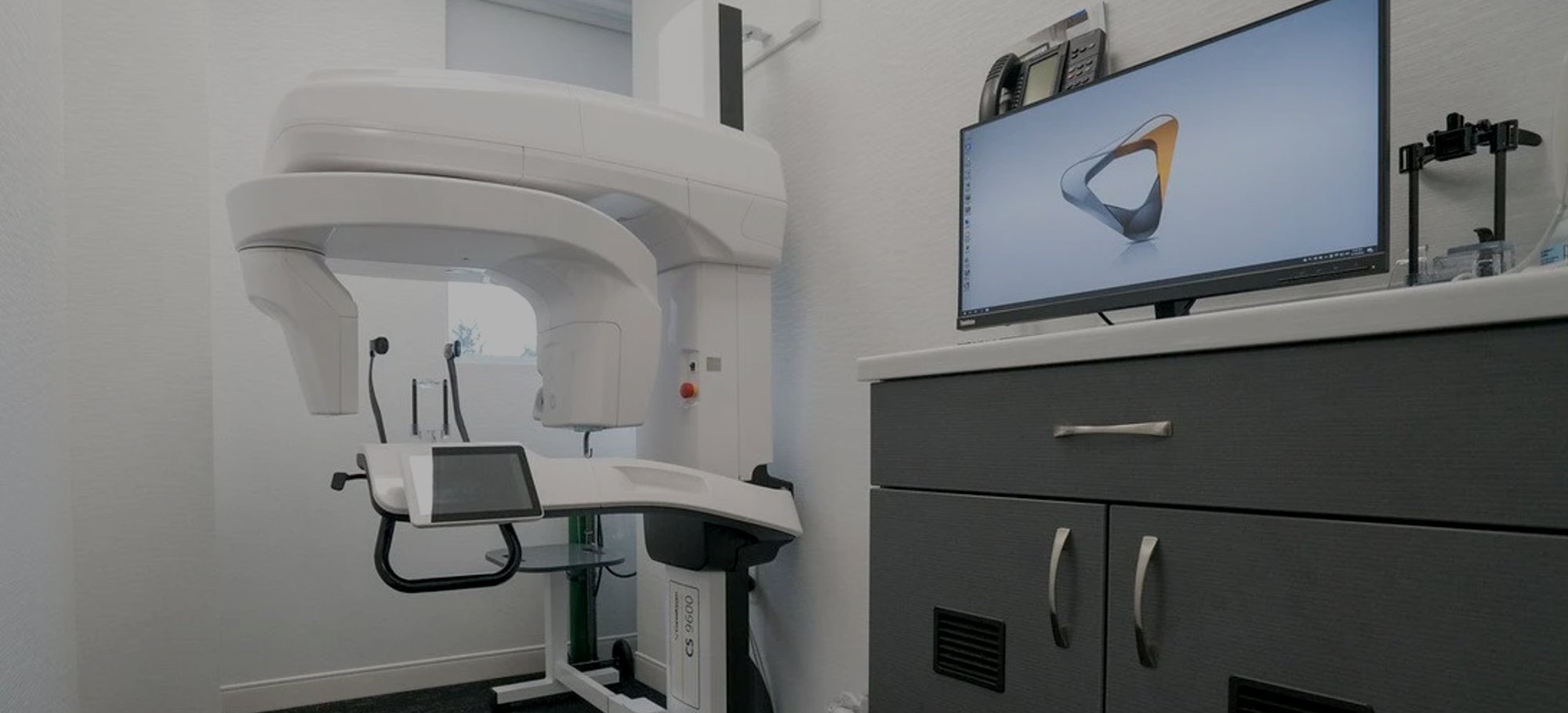
Once you’ve decided on All-on-4 dental implants, our surgeons carefully assess your jaw structure and health with advanced diagnostic tools, including 3D cone beam CT scans and digital impressions. These allow our team to plan the precise placement and angle of each implant and to design a prosthesis, all before surgery begins.
This individualized, custom planning is critical for patient safety and outcomes, helping surgeons prepare for surgery—and reduce the chance of surprises.
Learn more about How 3D Imaging Enhances Your Oral Surgery Experience.
How Do I Prepare for the Procedure?
After your consultation, your surgeon will walk you through a complete tooth replacement plan and timeline. If necessary, they may recommend treatment for existing issues. If existing dental or medical concerns need to be addressed first—such as infection, gum disease, or bone loss—those treatments may be recommended before surgery to improve implant success.
Depending on your medical history, you may need to adjust or discontinue certain medications prior to surgery. You’ll also receive instructions regarding fasting, oral hygiene, and day-of-surgery logistics.
For some patients, preparation for All-on-4 implant surgery includes lifestyle changes. Smoking, for example, is one of the leading causes of implant failure. Quitting before surgery is one of the best ways to improve your chances of long-term success. Any recommended preparations, whether medical, dental, or lifestyle-related, will be clearly outlined in your personalized treatment plan.
Read more about Dental Implant Candidates.
The Day of Surgery – Step by Step Walkthrough
On the day of surgery, patients can expect a safe, well-managed experience from arrival to discharge. Our priority is your safety, comfort, and peace of mind throughout the entire procedure.
Will I Be Asleep During the Procedure?
Patient comfort is top priority at BOMS. We offer a variety of sedation options for All-on-4 tooth replacement surgery, including local anesthesia + sedation, IV sedation, and general anesthesia. Our surgeons will help you choose the option that best suits your needs and comfort level.
Patients should not feel any pain during surgery. Some patients report feeling pressure and vibrations from the surgical tools, while others will have little to no awareness of the process, depending on the level of sedation chosen. Our team monitors our patients throughout to ensure a safe, pain-free experience.
Tooth Extraction and Site Preparation (if needed)
If you still have some natural teeth, they are typically removed as part of the All-on-4 procedure. In some cases, bone grafting may also be required to improve the stability of the implants. Bone grafting is a process to build up the bone tissue, giving the implants a better chance of taking hold.
During a typical surgery, the gums are carefully opened to reveal the bone below. Any infected or excess bone tissue may be removed to create a clean, stable foundation for the implants. One of the benefits of All-on-4 dental implants is that they typically require less bone than traditional implants, due to their smaller size and strategic placement.
Implant Placement & Angulation Strategy
Each All-on-4 system consists of three components: titanium screw implants, a prosthetic arch of teeth, and abutments that connect the two. During surgery, two implants are placed vertically in the front of the jaw, while two implants are positioned at an angle in the back.
Angling the posterior implants helps avoid the sinuses while maximizing bone contact and stability. The exact placement and angle of each implant may vary, depending on your bone health, jaw anatomy, and facial structure, as determined during your consultation and evaluation.
Attaching the Temporary Prosthesis
All-on-4 dental implants are often described as “teeth in a day.” In most cases, a temporary prosthetic is attached to the titanium implants immediately after placement. This prosthesis, which is eventually replaced with a more permanent option, allows patients to leave surgery with a functional, natural-looking smile while they heal.
What Is Recovery Like After All-on-4 Surgery?
Recovery after All-on-4 surgery includes rest, dietary adjustments, and follow-up care to ensure successful soft tissue healing and osseointegration.
Osseointegration is the fusing of the implants with the bone, and doesn’t happen overnight. Full healing from dental implant surgery typically takes 3-6 months. The first few days after the procedure are especially important to prevent infection and encourage proper healing.
What Can I Expect in the First 72 Hours?
For most patients, the first 72 hours after surgery are the most uncomfortable. Bleeding, bruising or swelling, and grogginess are common during this time. Pain is typically manageable with prescribed or over-the-counter pain medications, the use of cold compresses, and rest.
Patients should avoid strenuous activities, alcohol, tobacco, and the use of straws, all of which can interfere with healing. If you notice excessive pain, a foul taste, discharge, or odor, contact your surgeon immediately. These symptoms can indicate an infection or other complication.
What Should I Eat and How Do I Clean My Mouth?
A clear liquid diet is recommended for the first few days after surgery. As the implant sites begin to heal, you can introduce soft foods.
Good post-surgery foods include:
- Mashed potatoes
- Yogurt
- Soup
- Scrambled eggs
- Oatmeal
- Soft bread or wraps
- Cottage cheese
- Soft-cooked vegetables
- Smoothies
- Puréed or soft fruits
- Well-cooked pasta or rice
- Fish
- Cooked beans
Avoid foods that can irritate the surgical site or disrupt healing, including:
- Nuts and seeds
- Spicy or acidic foods
- Alcohol and carbonated drinks
- Sticky, chewy, or crunchy foods
- Tough-to-chew foods
Hot foods and straws should also be avoided, as they can disturb the blood clots that are key to healing.
Good hygiene is also essential to support healing and avoid infection. Patients should resume brushing their teeth immediately, carefully avoiding implant sites the first several days. Warm saltwater rinses and antibiotic mouthwashes help to clear the area of plaque and bacteria. After about a week or so, you can begin brushing the implant sites with a soft toothbrush. A water flosser is often recommended as a gentler alternative to traditional floss.
Follow-Up Visits and Osseointegration Timeline
Your surgeon will schedule a series of follow-up appointments to monitor your progress, adjust the temporary prosthesis, and address any concerns. Most surgeons return within 1-2 weeks of surgery, with additional appointments every few months for the first year after surgery.
Once osseointegration is complete and the implants have fully integrated with the jawbone—typically within 3-6 months—you will receive a permanent prosthesis. The final restoration is custom-designed to fit your facial structure, bite, and aesthetic preferences.
Learn more about Osseointegration.
What Are the Risks or Possible Complications?
While All-on-4 dental implants have a high success rate, no surgical procedure is without risk. Being informed helps patients feel confident and prepared.
Common Side Effects vs. Warning Signs
Good oral hygiene and following post-operative instructions significantly reduce the risk of complications such as infection or dry socket.
Temporary swelling, mild bleeding, and discomfort are normal after surgery. Persistent or extreme pain, excessive bleeding, signs of infection, or implant mobility are not normal. These issues should be addressed immediately.
Implant Failure, Bone Loss & Risk Factors
Dental implants have a very high success rate—often estimated at 95% or higher—but failures can occur.
Common causes of dental implant failure include:
- Failed osseointegration with the jaw bone
- Excessive pressure on the implants
- Poor bone quality
- Smoking-related complications that prevent healing
Good pre-surgery planning, surgical expertise, and patient adherence to all post-care instructions can help to minimize the risk of complications and implant failure.
Read more about The Most Common Causes of Dental Implant Failure.
What Do All-on-4 Implants Feel Like?
Patients choose All-on-4 implants for their convenience, comfort, and confidence. Once healed, All-on-4 implants look, feel, and function just like your natural teeth—or better.
During Surgery & Immediately After
During All-on-4 surgery, many patients may feel pressure or vibration, but they shouldn’t experience any sharp pain.
It’s normal to feel drowsy or groggy after surgery as the sedatives wear off. Swelling and temporary facial changes are common, along with occasional bruising. While the temporary prosthesis offers immediate functionality, it may not be a perfect fit.
For many patients, however, short-term discomfort and the inconvenience of following post-op instructions after oral surgery are more than worthwhile for the relief of a new, fully-restored smile.
Final Prosthesis & Long-Term Success
The final phase of All-on-4 tooth replacement surgery is the installation of your permanent prosthesis. These long-term prostheses are designed for comfort, durability, and natural appearance, custom-fit for your unique smile.
With good hygiene and proper care, dental prosthetics typically last 10-15 years. Daily brushing and flossing, avoiding hard foods and trauma, and regular dental cleanings can help to protect and maximize the lifespan of your smile restoration.
If your prosthesis shifts, is uncomfortable, or causes issues with chewing or speaking, they should be evaluated as soon as possible.
Why Choose Bergen Oral Surgery for All-on-4 Dental Implants?
If you’re considering All-on-4 dental implants, knowledge and experience matter. The board-certified, dual-degree surgeons at Bergen Oral & Maxillofacial Surgery offer unmatched experience to every case, including complex full-arch restorations.
Trusted by dentists and patients in Bergen County for more than 70 years, our team uses advanced imaging for precise surgical planning along and offer in-house sedation options to keep you comfortable and relaxed throughout your All-on-4 dental implant surgery.
Our patient-first approach is focused on your health, comfort, and results, with a nearly five star rating across four locations in Franklin Lakes, Hackensack, Paramus, and Westwood.
Ready to restore your smile All-on-4 dental implants? Call or text us at (201) 477-2667 or request an appointment online.
Personalized, gentle, comprehensive patient care is our number one priority.
All-on-4 Dental Implants (FAQ)
How Long Does the All-on-4 Procedure Take?
Surgery typically takes a few hours per arch, and most patients leave the same day with temporary teeth.
Is All-on-4 Dental Implant Surgery Painful?
No. Sedation and anesthesia prevent pain during surgery, and post-op discomfort is usually mild and manageable.
Am I a Good Candidate for All-on-4 Dental Implants?
Many patients with missing teeth or dentures qualify, but a consultation and 3D imaging are needed to confirm candidacy.
How Long Do All-on-4 Dental Implants Last?
The implants can last a lifetime, while the prosthetic teeth usually last 10-15 years with proper care.