How PRF Supports Healing After All-on-4 Surgery and Facial Esthetic Treatments
Reviewed by Dr. Mina Boulos, DMD, MD
Rebuilding a full smile with All-on-4® dental implants and refreshing your skin at CARE® Esthetics are very different appointments — but your body faces the same task afterward: healing. Skip that part of the conversation, and you risk more swelling, a longer return to your routine, or results that take longer to look their best. Ask about it, and you may have a smoother, more comfortable path forward. At Bergen Oral & Maxillofacial Surgery, we use one of the same biological tools to support healing in both cases — platelet-rich fibrin, or PRF.
In this guide, we’ll cover:
- What PRF is and how it’s made from your own blood
- The team behind PRF treatment at BOMS
- How PRF is used during All-on-4 surgery
- How PRF is used in CARE® Esthetics facial treatments
- How the two applications compare
- Whether PRF is a fit for your treatment plan
What Is PRF, and How Does It Work?
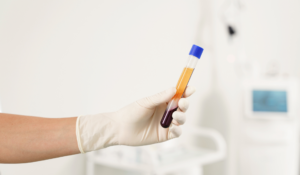
PRF is made from a small sample of your own blood, spun in a centrifuge to concentrate platelets, growth factors, white blood cells, and fibrin into a gel-like material — no synthetic additives or donor tissue involved. Once prepared, it’s placed at a surgical site or used in a facial treatment, where its growth factors and fibrin scaffold are designed to support your body’s own repair process.
Learn more about PRF with Dr. Shuman’s blog on The Biological Approach to PRF.
The Team Behind Your PRF Treatment
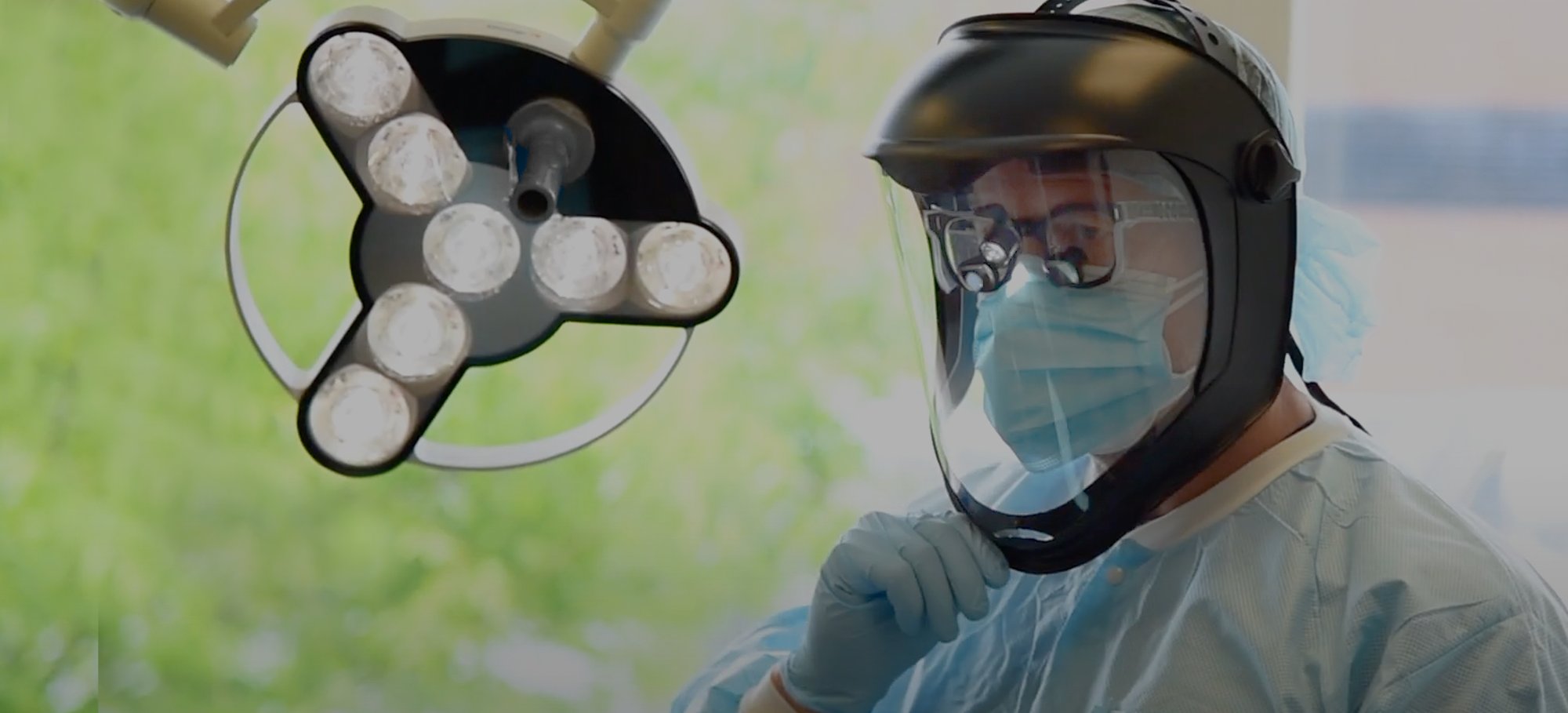
PRF is only as effective as the provider placing it. All-on-4 procedures at BOMS are performed by board-certified, dual-degree oral and maxillofacial surgeons, including Dr. Mina Boulos, DMD, MD, who trained in dentoalveolar surgery, bone grafting, and implant placement, and served as chief resident at Thomas Jefferson University Hospital. On the esthetics side, PRF treatments at our Paramus location are administered by Amy Bhagat, RN, BSN, MSN-FNP-BC, specifically trained in PRF therapies and microneedling.
How Is PRF Used During All-on-4 Surgery?
All-on-4 replaces a full arch of teeth in a single day using just four strategically placed implants. During placement or related bone grafting, your surgeon may use PRF at the surgical site to help support tissue repair and protect the area during the earliest stage of healing. Patients who receive PRF as part of their treatment plan may notice less post-operative swelling and a more comfortable recovery, though healing responses vary and your surgeon will determine whether PRF fits your specific case.
Read more about What Happens During All-on-4 Surgery.
Consider a patient preparing for All-on-4 surgery ahead of a major family event a few weeks out. Concerned about visible swelling, they raise it during their consultation — and their surgeon discusses whether PRF could be incorporated into their procedure as part of a broader plan to support recovery. It’s not a guarantee of a particular outcome, but it’s the kind of conversation PRF makes possible.
Potential benefits patients ask about include:
- Support for tissue repair at the implant and bone graft site
- Reduced post-operative swelling, for some patients
- A fully natural, non-synthetic material with no donor-tissue risk
- No separate appointment — it’s prepared the same day as your surgery
How Is PRF Used in Facial Esthetic Treatments?
That same biology shows up on the esthetic side of our practice. CARE® Esthetics uses PRF in several treatments designed to work with your skin’s natural rejuvenation process:
- Microneedling with PRF — micro-channels paired with PRF to help stimulate collagen production
- Bio-Filler® — a PRF-based, natural alternative to synthetic dermal fillers for volume restoration
- Facial PRF injections — growth factors applied to support skin renewal
- Hair regrowth treatments — PRF applied to help stimulate hair follicles
Learn more about other services offered through CARE® Esthetics.
PRF in Surgery vs. PRF in Facial Esthetics: How Do They Compare? PRF Right for Your Treatment Plan?
| All-on-4 Surgical Healing | Facial Esthetic Treatments | |
|---|---|---|
| How PRF is used | Placed at the implant/bone graft site during surgery | Applied via microneedling, injection, or Bio-Filler® |
| Primary goal | Support tissue repair and reduce swelling at the surgical site | Stimulate collagen production and skin renewal |
| When it’s prepared | Same day, during your procedure | Same day, at your CARE® Esthetics visit |
| Who provides it | Board-certified oral & maxillofacial surgeons (e.g., Dr. Mina Boulos, DMD, MD) | Amy Bhagat, RN, BSN, MSN-FNP-BC |
| When you may notice a difference | Early healing phase (days to weeks) | Gradual, as collagen builds over several weeks |
PRF isn’t a separate procedure you schedule on its own — it’s incorporated into a surgical or esthetic treatment plan when your provider determines it may be a good fit. It’s not one-size-fits-all: whether PRF makes sense depends on your health history, the procedure you’re having, and your goals for recovery.
The BOMS Difference in Healing
Recovery isn’t an afterthought at Bergen Oral & Maxillofacial Surgery — it’s part of how we plan your treatment from the start, whether that treatment is a full-arch implant restoration or a facial rejuvenation series. Because our surgeons and CARE® Esthetics providers use the same biologic approach across both, you get the benefit of a practice that treats healing as seriously as the procedure itself. If you’re weighing All-on-4 or a PRF-based facial treatment, the best next step is a conversation with our team about what your recovery could look like.
Request Your Appointment or call us at (201) 477-2667 to speak with one of our board-certified oral surgeons about All-on-4, or explore CARE® Esthetics treatments at our Paramus location.
Doctor-Owned. Doctor-Directed. Patient-Centered Care You Can Trust.
Frequently Asked Questions
Does insurance cover PRF treatment during All-on-4 surgery?
Coverage varies by plan and procedure. Our team can review your benefits and discuss any associated costs, along with financing options like CareCredit, during your consultation.
Is PRF safe for patients with underlying health conditions or those on blood thinners?
Because PRF is made from your own blood, it carries a strong safety profile, but every patient’s medical history is different. Your surgeon or esthetics provider will review your health history, including any medications, before determining whether PRF is right for you.
How soon will I notice results from a PRF facial treatment?
Because PRF works by supporting your skin’s natural collagen production, results tend to build gradually over several weeks rather than appearing immediately. Your CARE Esthetics provider can give you a timeline specific to your treatment plan.
Can PRF be used for procedures other than All-on-4, like a single implant or wisdom teeth removal?
Yes. PRF isn’t exclusive to All-on-4 — it may be incorporated into other oral surgery procedures, including single implants, bone grafting, or extractions, depending on your case.
What’s the difference between PRF and PRP?
Both are made from your own blood, but they’re processed differently. PRP is separated to isolate platelets, while PRF is processed to form a fibrin clot that’s then compressed into a membrane. Your provider can explain which is used for your specific treatment.